Introduction: The Battle for the Home Screen
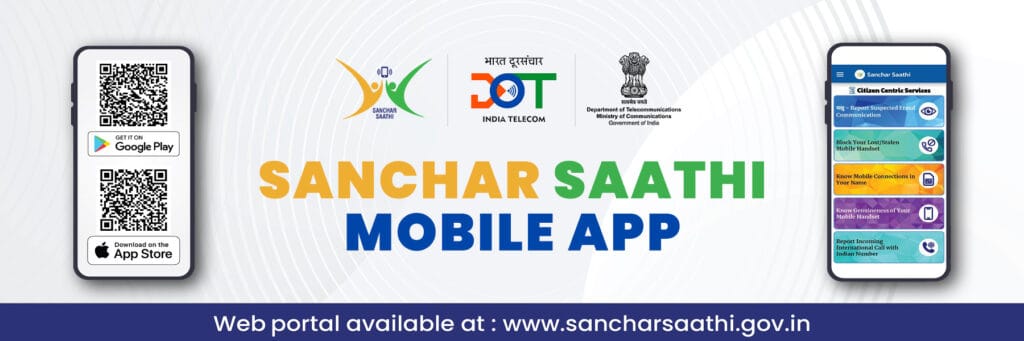
A significant technological and diplomatic friction is brewing between the tech giant Apple and the Indian government. At the heart of the conflict is a new directive from the Department of Telecommunications (DoT), mandating that all smartphones sold in India must come pre-loaded with the government’s “Sanchar Saathi” application.
While the government frames this as a necessary step to curb cybercrime and track stolen devices, Apple views it as an existential threat to its closed ecosystem. Reports indicate that the Cupertino-based company is preparing to resist the order, citing severe privacy and security concerns. This is not merely a disagreement over an app; it is a clash between sovereign digital governance and the architectural sovereignty of one of the world’s most valuable companies.
In this deep dive, we explore the nuances of the mandate, the technical reasons behind Apple’s refusal, the silence of Android competitors, and the broader implications for privacy and digital rights in India.
The Mandate: A “Double-Barreled” Directive
The directive issued by the Indian government is unprecedented in its scope. According to industry sources, the order requires all mobile manufacturers—including Apple, Samsung, and Xiaomi—to install the Sanchar Saathi app on all devices.
The specifics of the mandate are what make it controversial:
- Pre-installation: The app must be on the phone when the customer opens the box.
- Retroactive Updates: Manufacturers must push the app to existing devices via software updates.
- Undeletable Status: Perhaps the most contentious point—the directive reportedly requires that the app cannot be deleted or disabled by the user.
- Timeline: Manufacturers have been given a tight 90-day window to comply.
Industry insiders have described this not just as a heavy-handed regulation (“a sledgehammer”) but as a “double-barrel gun,” implying a lethal threat to the operating integrity of the devices.
Apple’s Defense: The Sanctity of the Walled Garden
To understand why Apple is digging in its heels, one must understand the philosophy of iOS. Apple’s business model is predicated on the “Walled Garden”—a closed ecosystem where Apple controls every aspect of the hardware and software to ensure security and a seamless user experience.
1. The Security Architecture
Apple does not allow “bloatware” (pre-installed third-party apps) on the iPhone. Unlike Android, where carriers and manufacturers often load devices with games and utility apps, a new iPhone is clean.
For an app to be “undeletable” and deeply integrated enough to track the device’s status (as Sanchar Saathi intends), it would essentially require “root” or administrative access to the operating system. In security terms, creating a pathway for a third-party app to have this level of control creates a “backdoor.”
Apple’s stance has always been that a backdoor created for the “good guys” (the government) is eventually found and exploited by the “bad guys” (hackers, foreign adversaries). If Apple modifies iOS to allow the Indian government deep system access, they break the security architecture that protects their users globally.
2. The Global Precedent
Apple fears the “slippery slope.” If they concede to India’s demand to pre-load a government surveillance or tracking app, they lose the moral and legal high ground to refuse similar requests from other nations with strict internet controls, such as China or Russia. Apple’s reputation is built on privacy; compromising it in a major market like India could dilute their brand value worldwide.
3. Technical Feasibility vs. Policy
Sources indicate that Apple plans to inform New Delhi that the request is technically incompatible with how iOS functions. On an iPhone, even Apple’s own apps can be removed from the home screen or offloaded. Hard-coding a third-party app to be permanent violates the core design principles of the modern iOS interface.
The Android Dilemma: Samsung and Xiaomi
While Apple is vocal in its resistance (albeit privately), the response from the Android camp is more muted. Android, developed by Google, is an open-source platform. It is historically more permissive regarding pre-installed software.
Manufacturers like Samsung, Xiaomi, and Oppo have a history of pre-loading their own apps, as well as sponsored third-party apps (like Facebook, Netflix, or local payment apps). Because the Android architecture is more flexible, technically complying with the government’s order is easier for them than for Apple.
However, “easier” does not mean “safe.” If Android manufacturers are forced to make this app undeletable, they too face the risk of introducing vulnerabilities. Furthermore, this creates a two-tiered privacy landscape where iPhone users might remain shielded from government bloatware while Android users—who make up over 95% of the Indian market—are subjected to it.
Currently, major Android players are reviewing the order, likely waiting to see if Apple’s resistance yields a compromise before they commit.
Understanding Sanchar Saathi: Utility vs. Surveillance
It is crucial to distinguish between the Sanchar Saathi portal and the proposed Sanchar Saathi app.
The Portal (The Good)
The Sanchar Saathi web portal, launched by the DoT, has been largely successful and praised. It offers citizen-centric services like:
- CEIR (Central Equipment Identity Register): Allows users to block stolen mobile phones so they cannot be used on Indian networks.
- TAFCOP (Telecom Analytics for Fraud Management and Consumer Protection): Lets users check how many mobile numbers are registered in their name and report fraudulent ones.
These tools are reactive; the user visits the website to use them. They are effective measures against the thriving black market for stolen phones and SIM fraud.
The App Mandate (The Concern)
The government argues that moving these features to a pre-installed app improves accessibility and response time. The Ministry claims it is necessary to combat duplicated IMEI numbers (where thousands of phones run on a single fake identity).
However, critics and privacy advocates argue that an app running permanently on a device changes the dynamic from reactive to proactive. If the app is designed to “track” phones to prevent theft, it implies a constant connection to government servers. This raises the specter of mass surveillance.
The “Voluntary” Contradiction
A confusing element of this saga is the communication from the government. Following the initial reports of the mandate, Union Telecom Minister Jyotiraditya Scindia stated that the app is “voluntary and democratic,” asserting that users can activate or delete it at will.
This public statement stands in direct contradiction to the written notification sent to manufacturers, which reportedly explicitly demands that the app must not be disabled.
This discrepancy suggests two possibilities:
- Bureaucratic Misalignment: The technical drafting of the notification by the DoT may have been more aggressive than the Minister’s political intent.
- Damage Control: Facing immediate backlash from privacy groups and tech companies, the government may be softening its public stance while the written order remains legally binding until amended.
The Privacy Nightmare: “Big Brother” Fears
The mandate has triggered alarm bells among the Opposition and civil liberty activists. The Congress Party has likened the move to Orwell’s “Big Brother,” warning of state overreach.
In the absence of a fully operational Data Protection Board and with the intricacies of the Digital Personal Data Protection (DPDP) Act still being ironed out, Indians are wary of government tracking.
- Location Tracking: To find a stolen phone, the app needs location access. Who has access to this real-time data?
- Data Aggregation: If the app links the device IMEI to the user’s identity (Aadhaar/SIM), it creates a comprehensive profile of the citizen’s digital life.
- Misuse Potential: While the stated goal is crime prevention, the same tools could technically be used to monitor political dissenters, journalists, or activists.
Economic Implications: Make in India vs. Apple
This controversy comes at a delicate time for India’s economic ambitions. India is aggressively courting Apple to shift its manufacturing supply chain away from China. Apple has responded positively, manufacturing millions of iPhones in India for both domestic use and export.
However, regulatory unpredictability is a major deterrent for foreign investment. By issuing a 90-day mandate that disrupts global production lines and software protocols, the government risks damaging the “Ease of Doing Business” narrative.
Furthermore, Apple is already fighting a battle with the Competition Commission of India (CCI) regarding antitrust laws and App Store policies. Adding a showdown over software mandates adds another layer of tension to the relationship between the world’s most valuable company and the world’s most populous nation.
Global Context: How Other Nations Handle This
It is rare for democratic nations to force pre-installation of government software.
- Russia: Russia passed a “law against Apple” requiring a setup screen that suggests Russian apps, but Apple negotiated a compromise where these are suggested downloads, not permanently pre-installed bloatware.
- European Union: The EU’s Digital Markets Act (DMA) forces Apple to open up its ecosystem (allowing third-party app stores), but this is done to foster competition, not to install government surveillance tools.
- China: While China has strict censorship (The Great Firewall) and data localization laws, even they generally control the network traffic and app store availability rather than mandating a specific government app be hard-coded onto the logic board of the device.
If India persists with the “undeletable” clause, it would be setting a new, authoritarian global precedent.
Analysis: What is the Likely Outcome?
Analyzing the trajectory of similar conflicts (like the Blackberry encryption saga or the WhatsApp encryption debate), a few scenarios emerge:
- The Compromise (Most Likely): The government amends the notification to align with Minister Scindia’s comments. The app becomes a “suggested” download during the setup process (similar to the Russian model) but is not undeletable. Apple preserves its iOS integrity, and the government gets distribution.
- The Standoff: Apple refuses to comply. The government threatens fines or sales bans. This is high-risk; banning iPhones would be a PR disaster for a government keen on digital modernization and attracting foreign investment.
- The Technical Workaround: The government integrates the Sanchar Saathi features at the carrier level (Jio, Airtel, Vi) rather than the device level, removing the burden from the phone manufacturers.
Conclusion
The Sanchar Saathi mandate represents a critical intersection of technology, national security, and civil liberties. While the Indian government’s intention to secure the mobile market and protect citizens from fraud is laudable, the method—forcing an undeletable app onto consumer devices—is fraught with peril.
For Apple, this is a non-negotiable red line. The company knows that once they build a door for the Indian government, the rest of the world will line up for the key. For Indian citizens, the outcome of this standoff will define the future of digital privacy. Will our smartphones remain personal devices, or will they become permanently tethered monitors of the state?
As the 90-day deadline ticks down, the tech world watches breathlessly. The “double-barrel gun” is loaded, but it remains to be seen if the government will pull the trigger or lower the weapon in favor of a more democratic solution.
Share via: