This digest compiles the latest from Engadget.
Today’s Engadget Roundup
Where the hell is Samsung's Ballie robot?
5 Dec 2025, 3:11 pm by Nathan Ingraham
Another CES is nearly upon us, another year where we’ll see new gadgets aplenty from giant companies and tiny ones you’ve never heard of. And the not-so-secret secret of CES is that many of these things never make it to market — but usually it isn’t things companies like Samsung show off. But here we are, nearly six years since Samsung first showed off its Ballie personal robot and it is nowhere to be found.
For those who may not recall, Ballie is an adorable circular robot that can putter around your house and project things onto the floor and wall. It’s kind of a virtual assistant on the go. Samsung first revealed this tiny robot at CES 2020, but it was more of a prototype than something anyone expected to purchase. And then there was a global pandemic and we all sort of forgot about weird ball-shaped robots for a few. But Samsung triumphantly unveiled a larger and more refined Ballie at CES 2024, saying it would be on sale that year!
Well, that didn’t happen, but a year later Ballie was back at CES again. Samsung promised it would go on sale in 2025, and followed up with a press release this past April saying it was on track for a summer launch in Korea and the US. As far as I can tell, that’s the last we’ve heard of it.
But with CES looming again, I can’t help but feel like Samsung will roll Ballie out once more, trying to sell the dream of a cute robotic companion who just gets you. I spent some time watching Ballie do its thing in a carefully controlled demo at CES 2024, and I can’t say I was overwhelmed by its purported usefulness or thought there’d be much of a market for this thing. I now can’t help but wonder if Samsung has data backs up my intuition. If this thing was going to sell like gangbusters, it likely wouldn’t be subjected to such a long and public gestation period.
It reminds me a little of one of my favorite Samsung gaffes, the Galaxy Home smart speaker. It was announced at a time when Apple and Google were challenging Sonos and Amazon with voice-activated speakers of their own, moving Siri or the Google Assistant from your phone to a more omnipresent place in your home.
The first rumor of the Galaxy Home happened way back in 2017, and the speaker was officially revealed and briefly shown off by Samsung in August of 2018. My immediate reaction was that this product made very little sense for both Samsung and potential customers — Bibxy sucked, and there were plenty of speakers with better voice assistants. Apparently, Samsung agreed. After multiple years of vague commitments and references to the Galaxy Home, Samsung just… stopped talking about it. Oddly enough, a Galaxy Home Mini speaker was briefly released in South Korea, part of a promotion for people who pre-ordered the Galaxy S20. But I don’t think you could ever just walk into a store and buy one, and the larger Galaxy Home never materialized at all.
Ballie isn’t quite the abandonware situation that the Galaxy Home was, at least not yet. After all, it’s only been about eight months since Samsung dropped that press release claiming it would arrive soon. The company has definitely pushed Ballie in a more public way than the Galaxy Home, making it a little harder to just drop entirely. Maybe we’ll see a revamped Ballie with even more weird tricks next month, or maybe we’ll just get another vague promise that it’ll arrive in 2026. After failing to deliver two years in a row, though, I’m not going to expect Ballie to show up as a real product until I can punch in my credit card and pre-order it… not that I’d do that anyway. Ballie needs to show that it’s a lot more than a cute rolling robot before Samsung gets my cash.
This article originally appeared on Engadget at https://www.engadget.com/ai/where-the-hell-is-samsungs-ballie-robot-151112829.html?src=rss
Engadget Podcast: WTF is up with RAM? (With Will Smith from The Tech Pod)
5 Dec 2025, 2:14 pm by Devindra Hardawar
RAM prices have gone wild, mostly thanks to AI. In this episode, Devindra chats with Will Smith (Brad and Will Made a Tech Pod) about the state of the RAM industry, as well as other hardware we expect to get more expensive. (SSD prices are definitely creeping up too!). Also, we discuss Meta poaching Alan Dye, one of Apple's design executives, and what this could mean for Meta's upcoming devices. And yes, whatever they have next will likely revolve around AI.
Subscribe!
Topics
-
Mark Zuckerberg, CEO of Meta, plans deep cuts to his company’s metaverse development – 1:09
-
Longtime Apple UI designer Alan Dye to join Meta’s AI division – 7:08
-
US DOT cuts fuel efficiency standards, doubles down on gas cars – 25:40
-
Waymo autonomous cars recently started driving more aggressively – 31:30
-
Amazon halts its anime dub beta because it sounded terrible – 38:00
-
WTF, RAM?? Will Smith joins to talk about why RAM prices are spiraling upward – 44:05
-
Around Engadget: Metroid Prime 4 is a return to form after 18 years on ice – 1:04:42
-
Working on – 1:07:36
-
Pop culture picks – 1:08:32
Credits
Host: Devindra Hardawar
Guest: Will Smith
Producer: Ben Ellman
Music: Dale North and Terrence O'Brien
This article originally appeared on Engadget at https://www.engadget.com/social-media/engadget-podcast-wtf-is-up-with-ram-with-will-smith-from-the-tech-pod-141442002.html?src=rss
Chinese hackers reportedly targeting government entities using 'Brickstorm' malware
5 Dec 2025, 1:35 pm by Matt Tate
Hackers with links to China reportedly successfully infiltrated a number of unnamed government and tech entities using advanced malware. As reported by Reuters, cybersecurity agencies from the US and Canada confirmed the attack, which used a backdoor known as “Brickstorm” to target organizations using the VMware vSphere cloud computing platform.
As detailed in a report published by the Canadian Centre for Cyber Security on December 4, PRC state-sponsored hackers maintained "long-term persistent access" to an unnamed victim’s internal network. After compromising the affected platform, the cybercriminals were able to steal credentials, manipulate sensitive files and create "rogue, hidden VMs" (virtual machines), effectively seizing control unnoticed. The attack could have begun as far back as April 2024 and lasted until at least September of this year.
The malware analysis report published by the Canadian Cyber Centre, with assistance from The Cybersecurity and Infrastructure Security Agency (CISA) and the National Security Agency (NSA), cites eight different Brickstorm malware samples. It is not clear exactly how many organizations in total were either targeted or successfully penetrated.
In an email to Reuters, a spokesperson for VMware vSphere owner Broadcom said it was aware of the alleged hack, and encouraged its customers to download up-to-date security patches whenever possible. In September, the Google Threat Intelligence Group published its own report on Brickstorm, in which it urged organizations to "reevaluate their threat model for appliances and conduct hunt exercises" against specified threat actors.
This article originally appeared on Engadget at https://www.engadget.com/big-tech/chinese-hackers-reportedly-targeting-government-entities-using-brickstorm-malware-133501894.html?src=rss
Splitgate: Arena Reloaded tries to fix what Splitgate 2 broke
5 Dec 2025, 1:00 pm by Steve Dent
Portal shooter Splitgate 2 is coming back with a new name and rebuilt experience after being pulled back to beta earlier this year, developer 1047 Games announced. The free-to-play Splitgate: Arena Reloaded will relaunch on December 17th across platforms including Xbox Series X/S, PlayStation 5 and PC.
"After months of community feedback, testing and rebuilding the entire experience, this is Splitgate refocused on what made it special in the first place: classic arena combat without factions, abilities, or extra noise," the developer shared in a blog post, along with a gameplay video.
Splitgate 2 originally launched in June, but 1047 Games pulled it back to beta after deciding that the release had been rushed. For the new version, the company said, "we took the best of Splitgate 1 and Splitgate 2" and cut the parts that didn't fit, while refining the ones that did. "in the process, we not only rebuilt the game, we reconnected with the magic of the genre that built this studio in the first place: a return to the Arena."
Here are some key changes made:
-
Removed Splitgate 2's factions, abilities, and select equipment so the focus is back on classic arena combat without the extra noise.
-
Rebuilt progression from the ground up so your time in game feels rewarding, with weapon and character cosmetics you can earn simply by playing.
-
We've added a true Classic Arena mode with even starts and new map pickups, recapturing the feel of the original.
-
Fine tuned combat to better match expectations for a modern arena shooter, with more meaningful gunfights and fewer "what just happened" moments.
-
Completely overhauled the ranked system so your rank reflects your actual skill for players who love to climb and compete.
-
Added key systems you have been asking for: Mode Select, Player Stats, Ranked Leaderboards, and Account Levels.
-
Introduced five brand new maps and six fully reworked arenas, bringing the total map pool to 20.
-
Added three new LMG primary weapons and the iconic Power Weapon, the Railgun.
1047 Games was savaged earlier this year by Splitgate players after co-founder Ian Proulx wore a hat at Summer Games Fest stating "Make FPS Great Again." Later, he posted to the studio's X account on Splitgate 2's release date that he was "not here to apologize" and that the hat was "not a political statement," finally admitting that it was all basically a publicity stunt.
This article originally appeared on Engadget at https://www.engadget.com/gaming/splitgate-arena-reloaded-tries-to-fix-what-splitgate-2-broke-130027714.html?src=rss
Microsoft's Copilot+ AI PC plan fizzled, but it still served a purpose
5 Dec 2025, 1:00 pm by Devindra Hardawar
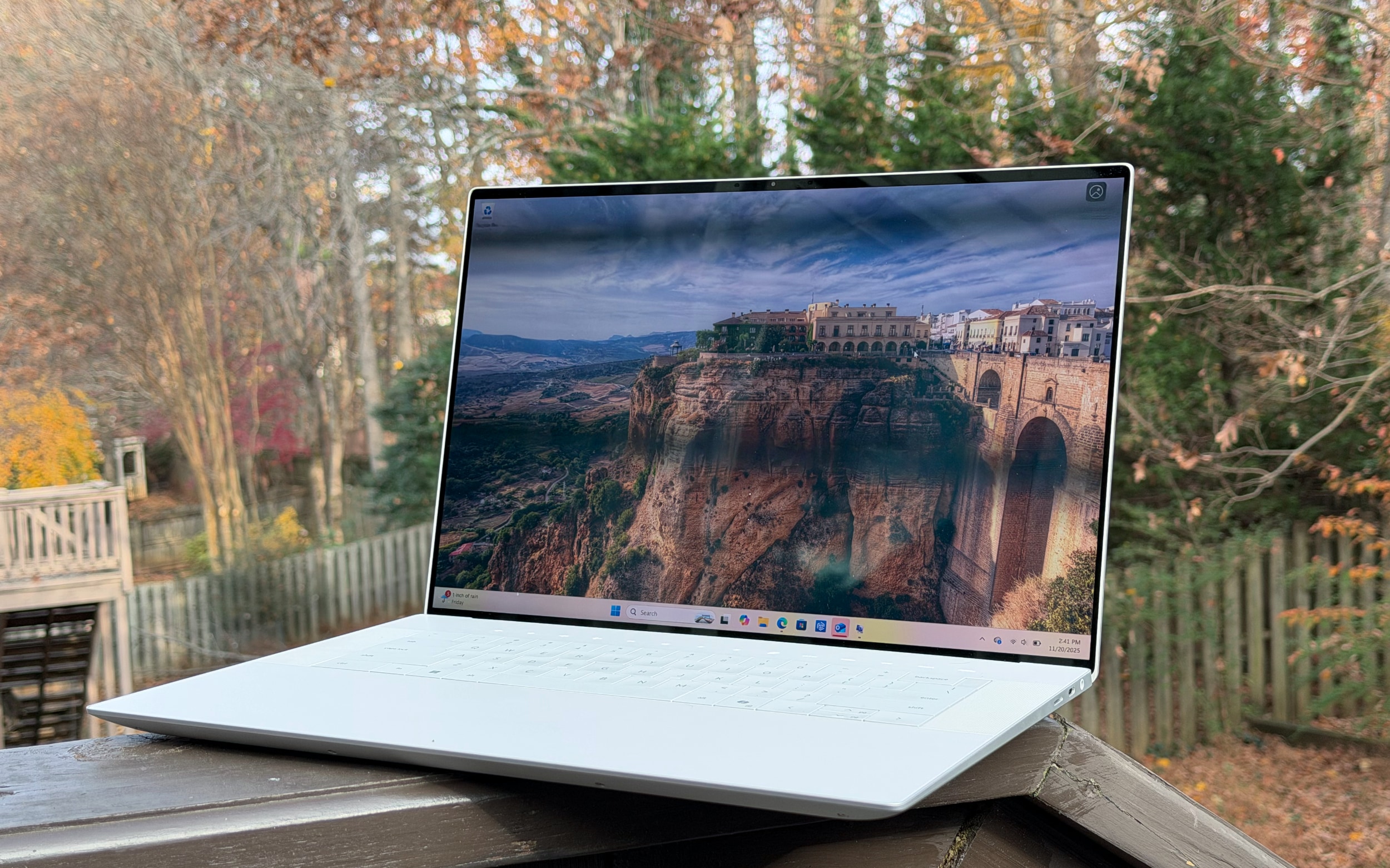
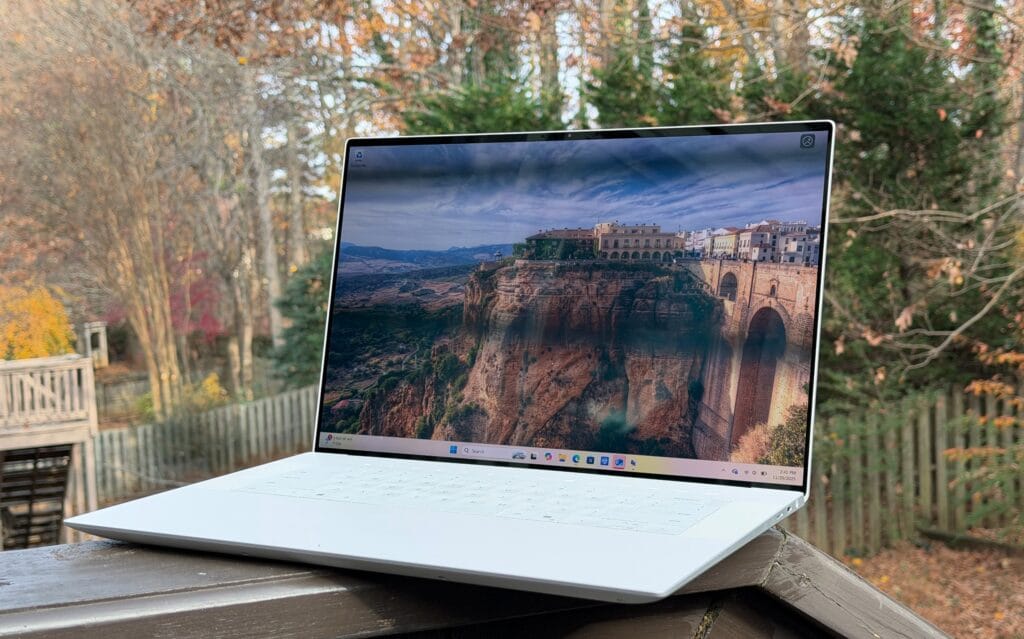
Microsoft's Copilot+ initiative launched last year with a clear goal: To produce capable laptops for people eagerly anticipating AI-powered features. Read that sentence again, and it's glaringly obvious that Microsoft's plan was flawed from the start. Most consumers aren't nearly as hyped for AI features as the companies eager to foist artificial intelligence upon us. And those features aren't exactly compelling, either. Microsoft's Recall — which snaps screenshots of your PC to create a database of everything you’ve done– was dogged by privacy concerns from the start. And to be honest, I haven't found its ability to remember the files and websites I've opened to be that useful.
Without any sort of killer AI app, most consumers weren't going to pay a premium for Copilot+ systems either. Not in this precarious economy, anyway. So it wasn't a huge surprise to see sales of Copilot+ systems going practically nowhere over the last year. In the third quarter of 2024, they accounted for less than 10 percent of systems shipped, according to data from Mercury Research (via Tom’s Hardware). The research firm IDC (via PCWorld) also found that Copilot+ systems made up just 2.3 percent of Windows machines sold in the first quarter of 2025 (and a mere 1.9 percent of the entire PC market).
Instead of continuing to promote Copilot+, Microsoft now wants to "make every Windows 11 computer an AI PC". The new "Hey Copilot" voice commands and Copilot Vision, a feature that lets the AI assistant see what's on your screen, are both cloud-powered. That means you won't need the beefy 40 TOPS neural processing units (NPU) found on Copilot+ systems to use them. Microsoft spent the past few years touting NPUs as the gateway to useful AI features, like Recall and Windows Studio webcam effects, but only one of its new AI capabilities actually requires an NPU. (And even that is just a slight update to Click to Do, allowing you to send Zoom invitations by right-clicking on e-mail addresses.)
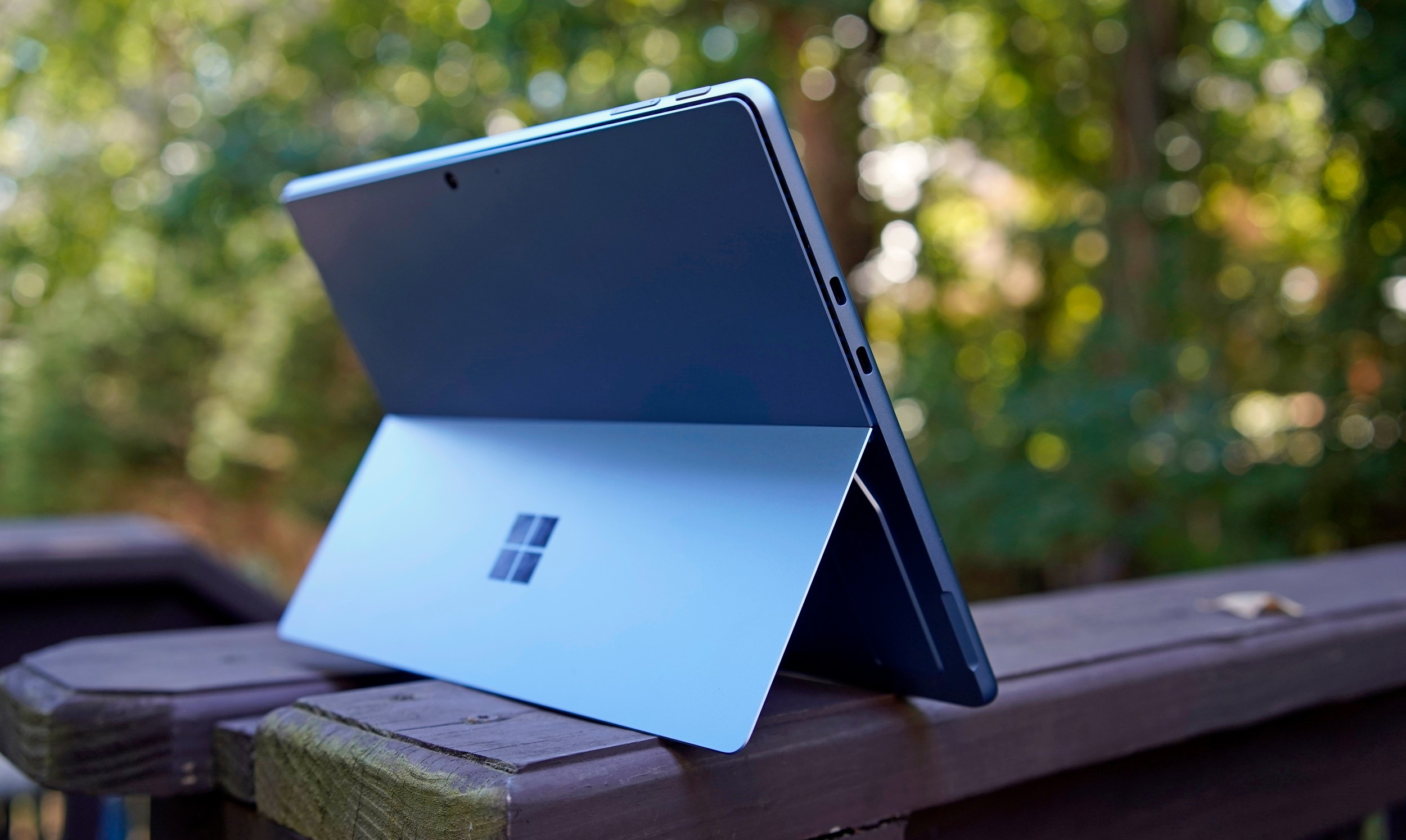
It's easy to view the whole Copilot+ initiative as a cynical way to ramp up AI hype and push people towards expensive new laptops, especially as the October 14 Windows 10 end of support date loomed. But it also led to some genuinely useful changes: Microsoft made 16GB of RAM a standard for Copilot+ systems, along with 256GB of storage and the aforementioned 40 TOPS NPUs. The launch of Copilot was also the kick in the pants Microsoft needed to revamp Windows for mobile Arm processors. I never thought I'd love a Surface with a Snapdragon chip, but the improved Arm support on the Surface Pro and this year's smaller model finally won me over.
I wouldn’t call the Copilot+ program a huge swing, but it’s still the sort of industry-wide cat herding that’s rare to see in the PC space. Microsoft couldn’t just snap its fingers and shift all PCs to efficient mobile chips with powerful NPUs, like Apple did with its own jump to M-series chips years ago. Microsoft had to wait for new NPU-equipped hardware from Qualcomm (and eventually Intel and AMD). It had to finally fix the Windows on Arm problem. And it also had to double-down on AI features that felt truly transformative. It’s just a shame that consumers didn’t seem to care.
Microsoft said that Copilot+ systems accounted for 15 percent of premium PCs sold during last year’s holiday season, but the company hasn’t released any new sales figures since then. “This is the fastest adoption I've seen of a new category of hardware, and we've done it faster than the normal generational shift of silicon,” James Howell, Microsoft’s VP of Windows marketing, said in a conversation with Engadget. “Copilot+ PCs continue to be a transition that we are pushing for and prioritizing. But I can't give you the exact numbers beyond that… Just for the last two or three months, we've been doing pretty well with year-on-year growth in the Windows business.”
While Microsoft ultimately doesn’t have much to show for the Copilot+ initiative, the steady progression of hardware will lead to AI PCs dominating over the next five years. The research firm Omdia predicts that AI PCs will account for 55 percent of computers shipped in all of 2026, up from 42.5 percent of systems in Q3 2025. By 2029, Omdia predicts AI PCs will make up 75 percent of all systems shipped, giving Windows 80 percent of the AI PC market.
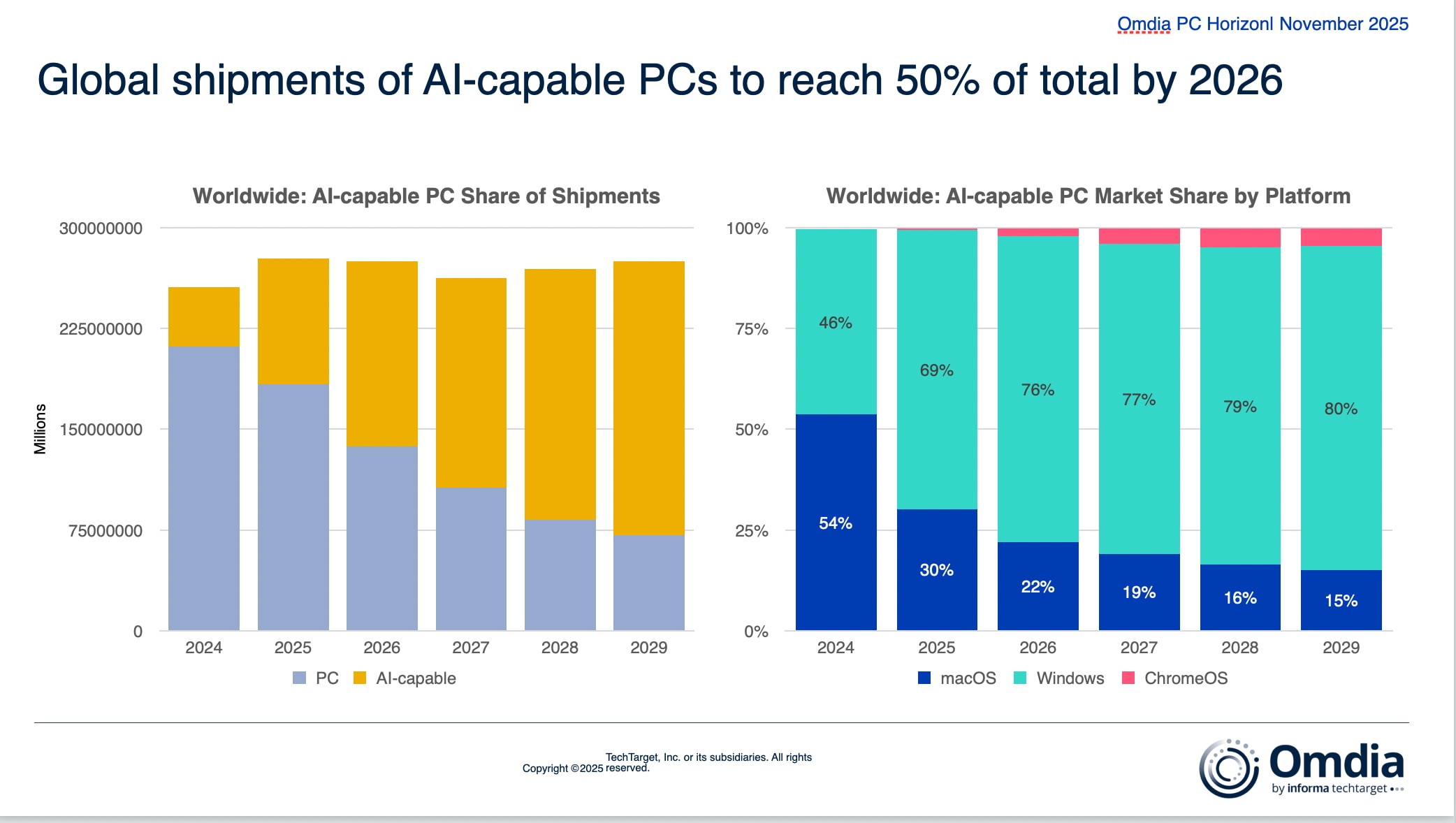
“It’s important to note that this steep adoption curve [for AI PCs] is driven more by the product roadmaps of the PC market, rather than consumers and businesses seeking PCs specifically for AI,” according to Omdia research analyst Kieren Jessop. “For businesses, and consumers especially, AI-capable PC adoption is more a function of a customer going to purchase a device and that device just so happens to have an NPU.”
Microsoft was basically right: AI PCs are the future. But it turns out the AI features people actually want to use — like ChatGPT, Sora and Microsoft’s own Copilot — are mostly powered by the cloud, making onboard NPUs superfluous. That won’t be true forever. There are tangible security, speed and convenience benefits for onboard AI processing, like transcribing sensitive audio instead of sending it to the cloud. But for now, those AI workloads are relatively niche, and they’re not enough to make the Copilot+ a true success by any measure.
This article originally appeared on Engadget at https://www.engadget.com/computing/laptops/microsofts-copilot-ai-pc-plan-fizzled-but-it-still-served-a-purpose-130000239.html?src=rss
The Morning After: Flying Antigravity’s A1 drone is unlike anything else
5 Dec 2025, 12:15 pm by Mat Smith
Spinning off from the action-camera company Insta360, Antigravity now has its debut drone on sale. With 360-degree cameras that capture 8K and offer you a truly unconstrained view of the skies, the A1 is a different drone from everything else out there. Sorry, DJI.
Instead of typical drone joysticks, you get a motion controller that lets you point and shoot like video game gesture controls, while crisp FPV goggles put you right inside the cockpit.
It’s easy to fly after takeoff, but the A1’s myriad parts are often tricky to sync together — and pulling video down to the companion app is even trickier. Going on specs alone, like speed and camera sensor size, it doesn’t stand up to cinematic drones from the likes of DJI.
Still, it’s not meant to be a cinematic drone. It’s a hybrid mix of flight experience, FPV drone and a not-miss-a-thing camera drone. It’s truly unique — and fun.
— Mat Smith
The other big stories (and deals) this morning
-
The best Christmas gifts to give everyone on your 2025 holiday shopping list
-
Amazon Luna’s December lineup includes Hollow Knight, Lego 2K Drive and a few Fallout games
Amazon halts its incredibly poor AI anime dubbing ‘beta’
Ridiculed by all.
Amazon has quietly removed its terrible AI-generated English dubs for several anime shows on Prime Video, following widespread ridicule from viewers and the industry. AI dubs were recently added to Banana Fish, No Game, No Life and Vinland Saga, where they were labeled “AI beta” in the Languages section of the app.
For shows lacking an English-language dub, it was a seemingly cheap way to consume anime for Amazon. However, it quickly became clear that the dubs were really quite bad. Baaaad.
Voice actor Daman Mills called the AI-generated dub for Banana Fish a “massive insult to us as performers” in a post on X.
Amazon thinks about ending ties with the US Postal Service
The company continues to invest heavily in its own shipping network.
An Amazon double today. According to The Washington Post, Amazon is considering discontinuing use of the US Postal Service and building its own shipping network to rival it. The e-commerce behemoth spends more than $6 billion a year on the public mail carrier — almost 8 percent of the service’s total revenue. That’s up from just under $4 billion in 2019. That split might be due to a breakdown in negotiations between Amazon and the USPS rather than Amazon proactively pulling its business.
Amazon has invested heavily in all kinds of delivery methods, including shipping logistics, buying its own Boeing planes, launching its own electric delivery vans and slowly building a drone delivery network.
Amazon’s Kindle Scribe Colorsoft finally has a release date
December 10, just in time for the holidays.
A triple? Sorry. Amazon didn’t have a specific release date to share beyond “later this year” for its latest Scribe slates. And talk about brinkmanship! Here we are in December. The company says the devices will be available on December 10. This is the third generation of the Kindle Scribe line of E Ink writing tablets — the first time Amazon has three versions of the Scribe. At the entry level, the Scribe without a front light starts at $430, while the model with a light starts at $480. The Kindle Scribe Colorsoft will start at $630. You always have to pay more for color.
Nikon ZR camera review
A highly capable cinema camera at a reasonable price.
The Nikon ZR could be a breakthrough for content creators, largely because it incorporates technology from RED — a company now owned by Nikon. The combination of professional-grade video quality (specifically RED RAW) and autofocus comes at a fraction of the cost of dedicated cinema rigs. There are some compromises on battery life and the lack of a viewfinder, but the ZR arguably offers the best video quality for the money.
This article originally appeared on Engadget at https://www.engadget.com/general/the-morning-after-engadget-newsletter-121538076.html?src=rss
Netflix to buy Warner Bros. for $82.7 billion
5 Dec 2025, 12:08 pm by Daniel Cooper
Shortly after rumors of a deal between the two media giants broke, Netflix has announced it is buying Warner Bros., HBO and HBO Max for approximately $82.7 billion. If approved, the deal will take place after Warner Bros. has disentangled itself from both its legacy cable and Discovery assets as part of the already-announced de-merger. That's likely to take place in the third quarter of 2026, with this new tie-up taking place at some point after that.
In a statement, Netflix said it expects to "maintain" Warner Bros. current operations, as well as its policy of theatrical releases for its films. But the deal may spell the end for HBO Max as its own product in the longer term, as the statement also says "by adding the deep film and TV libraries and HBO and HBO Max programming, Netflix members will have even more high-quality titles from which to choose."
Naturally, the deal will see Netflix become one of the biggest players in global media, combining its global reach with some of the most recognizable names in entertainment. That includes HBO, DC Studios, Cartoon Network, its game development studios and TCM, as well as the chunks of TNT not cast adrift with Discovery.
It's likely the deal will not go ahead without a lot of objections from other buyers, as well as the government itself. Yesterday, Paramount Skydance said (via the Hollywood Reporter) any deal between WB and Netflix would be the result of an "unfair" process. Given the close ties between Paramount's new owners and the administration, it's likely any deal will be subject to scrutiny as well as the usual questions around the size of the combined operation.
This article originally appeared on Engadget at https://www.engadget.com/entertainment/netflix-to-buy-warner-bros-for-827-billion-120836295.html?src=rss
How to watch the 2026 FIFA World Cup draw live today
5 Dec 2025, 12:05 pm by Danica Creahan
The draw for the 2026 World Cup is this Friday at 12 PM ET, where we’ll learn which group the 39 qualified countries and three host nations will land in for the international soccer tournament. The 2026 World Cup draw will air live on Fox. Pre-show coverage of the draw begins at 11:30 a.m. The venues and kickoff times for the World Cup group stage games be announced the following day. Tickets for the World Cup are already available.
Here's how to watch the 2026 World Cup draw live, plus what you need to know about buying World Cup tickets, before or after the groupings are announced.
How to watch the 2026 World Cup draw:
Date: Friday, Dec. 5
Time: 12 p.m. ET/9 a.m. PT
Location: Kennedy Center, Washington, D.C.
TV channel: Fox
Streaming: Fox One, DirecTV, YouTube via VPN and more
When is the 2026 World Cup draw?
The World Cup draw will take place on Friday, Dec. 5. All the group stage venues and kickoff times will then be announced the following day, on Saturday, Dec. 6
2026 World Cup draw start time:
The World Cup draw will officially kick off at 12 p.m. ET/9 a.m. PT, though there will be pre-show coverage of the event as early as 11:30 a.m. ET.
What channel is the World Cup draw on?
The World Cup draw will air across Fox networks, including Fox and via the Fox Sports app. Coverage will also likely air on FS1.
How to watch the World Cup draw:
For those with live TV access, you may be able to watch Fox totally free over the air. But if not, here's how we recommend tuning in.
How to watch the World Cup draw for free:
In the U.S., the draw will air on Fox, but globally in many regions, a livestream of the draw will be available to watch via YouTube livestream, totally free. If you don’t have access to Fox, you might want to consider trying a VPN, so you can tune into the World Cup draw free livestream.
Don’t want to navigate a VPN? Many live TV streaming services offer free trials, so you can also tune into the 2026 World Cup draw for free via a free trial.
When is the 2026 World Cup?
The 2026 World Cup begins on June 11, 2026 and runs through July 19, 2026.
Where will 2026 World Cup games be held?
There will be 15 host cities for the 2026 World Cup throughout the U.S., Mexico and Canada. They are:
United States
-
Atlanta – Mercedes-Benz Stadium, Atlanta, GA
-
Boston – Gillette Stadium, Foxborough, MA
-
Dallas – At&T Stadium, Arlington TX
-
Houston – NRG Stadium, Houston, TX
-
Kansas City – GEHA Field at Arrowhead Stadium, Kansas City, MO
-
Los Angeles – Sofi Stadium, Inglewood, CA
-
Miami – Hard Rock Stadium, Miami Gardens, FL
-
New York/New Jersey – MetLife Stadium, East Rutherford, NJ
-
Philadelphia – Lincoln Financial Field, Philadelphia, PA
-
San Francisco Bay Area – Levi’s Stadium, Santa Clara, CA
-
Seattle – Lumen Field, Seattle, WA
Mexico
-
Mexico City – Estadio Azteca, Coyoacan, Mexico City
-
Monterrey – Estadio BBVA, Gudalupe, Nuevo Leon
-
Guadalajara – Estadio Akron, Guadalajara
Canada
-
Toronto – BMO Field, Toronto, ON
-
Vancouver – BC Place, Vancouver BC
How to get 2026 World Cup tickets:
Individual match tickets are now available to purchase through the FIFA website. To purchase tickets that are part of a multi-game or hospitality package, you can sign up here to receive more information. In addition, there will also be a final ticket lottery held after this week's draw; fans will be able to submit applications for specific matches once the group-stage matchups have been revealed to try and grab a limited number of lower-priced tickets at select matches. (An exact date for this lottery has not yet been revealed but you can sign-up to receive up-to-date information on the FIFA site.)
When do 2026 World Cup tickets go on sale?
Tickets for the 2026 World Cup are now on sale, though the match schedule doesn't specify team groupings (yet).
Find tickets on FIFA's website
How much are 2026 World Cup tickets?
Currently, individual tickets for the 2026 World Cup run anywhere from $1,400 to $3,500 (if you're searching for tickets for matches in Mexico or Canada, don't be scared off by their higher price tags — they're all in the same price range after adjusting for conversion rates). Tickets for the group stage, knockout rounds, and the bronze final are currently available. It's important to note that FIFA is employing a dynamic pricing strategy, so prices may fluctuate as we get closer to the tournament, depending on demand. For those lucky enough to enter and be selected in the ticketing lottery, prices are significantly less – they're broken out into four categories based on seating, and range from $60 to $620, but these prices are not available to the general public.
Hospitality packages, which guarantee entry to multiple matches are also on sale now and start at $5,300. (Note that depending on the venue and package you select, some of these packages can cost up to $68,000 per person, and while that price includes food, drinks and premium seating, it doesn't include travel expenses or accommodations.)
Tickets are also available through FIFA's own resale marketplace and on third-party resale sites like StubHub already have single-game matches available, with some starting around $275 per seat and going up from there, depending on the game and venue.
Find tickets on FIFA's Ticket Resale Marketplace
2026 World Cup Schedule
(All times Eastern)
The 2026 World Cup will begin on Thursday, June 11, 2026, and the final is scheduled for Sunday, July 19, 2026. You can take a look at the existing schedule here.
Group Stage
June 11 – June 27, 2026
Knockout stage matches
Round of 32: June 28 – July 3, 2026
Round of 16: July 4 – July 7, 2026
Quarterfinals: July 9 – July 11, 2026
Semifinals: July 14 – 15, 2026
Bronze Final (3rd Place Match): July 18, 2026
Final: July 19, 2026
This article originally appeared on Engadget at https://www.engadget.com/entertainment/streaming/how-to-watch-the-2026-fifa-world-cup-draw-live-today-120501930.html?src=rss
What to expect at CES 2026
5 Dec 2025, 12:00 pm by Ian Carlos Campbell
CES doesn't start until January, but whispers of the products and announcements that could be in store for tech's biggest annual conference have already started to take shape. The CES 2026 show floor is officially open from January 6 through 9, although the show kicks off with events on Sunday January 4 and a host of press conferences on Monday. As always, product demos, announcements and networking happening at the Las Vegas Convention Center and surrounding hotels all over the city. As usual, Engadget will be covering the event in-person and remotely, bringing you news and hands-ons straight from the show floor.
More specific details and pre-announcements should trickle out as CES approaches, but in the meantime, we do know what companies will be hosting press conferences and what tech trends could rear their heads at the show.
What we already know about
Press conferences and show floor booths are the bread and butter of CES. The Consumer Technology Association has already published a searchable directory of who will have a presence at the show, along with a schedule of every official panel and presentation.
On Sunday, January 4, Samsung will kick-off CES with "The First Look," a presentation hosted by TM Roh, the CEO of Samsung's DX Division, on the company's "vision for the DX (Device eXperience) Division in 2026, along with new AI-driven customer experiences."
That'll be followed by multiple press conferences throughout Monday, January 5. LG is hosting its "Innovation in Tune with You" presentation to share "its vision for elevating daily life through Affectionate Intelligence" at the start of the day, Intel is launching its new Core Ultra Series 3 processors in the afternoon, Sony Honda Mobility is holding a press conference on its first car and AMD CEO Lisa Su will cover AMD's upcoming chip announcements at a keynote address that closes out the day.
Finally, on Tuesday, January 6, Lenovo CEO Yuanqing Yang will host Lenovo's Tech World Conference at Sphere, using the large and decidedly curved screen to share the company's "commitment to delivering smarter AI for all by constantly redefining how technology can engage, inspire, and empower."
Outside of the formal introduction of new products and initiatives, reading the tea leaves of what was announced last year and what companies are reportedly working on, we can make some educated guesses at what we could see at CES 2026.
New chips from AMD, Intel and Qualcomm
CES is frequently the start of a cascade of new chip announcements for a given year, and one of the first places new silicon appears in real consumer products. AMD will likely use its keynote to introduce new versions of its Ryzen chips, including the recently spotted Ryzen 7 9850X3D, which is expected to offer better single-threaded performance, and the Ryzen 9000G series, which could be built with AMD's Zen 5 architecture. The company might also use its CES stage to go over its new FSR Redstone AI upscaling tech.
Intel has already publicly announced that it'll launch its Panther Lake chips at CES 2026. The officially titled Intel Core Ultra Series 3 chips fit into Intel's overall "AI PC" push, but are specifically meant for premium laptops. Based on a preview from October 2025, Intel says the first chip made with its 2-nanometer 18A process will offer 50 percent more processing performance than previous generations and for the chip's Arc GPU, a 50 percent performance bump from last generation.
Qualcomm is also rumored to be targeting laptops at the show, building on the work it's done moving its Snapdragon chips out of phones and tablets and into other types of computers. The company's Snapdragon X2 Elite and X2 Elite Premium chips should start appearing in laptops at CES 2026, offering a look at the improved speed and AI performance the company promised in 2025.
Brighter, "truer" screens
Sony announced a collection of new Bravia TVs in April 2025, replacing the company's flagship, filling in its midrange options and adding a new budget model to the mix. The star of this updated Bravia lineup is the Bravia 9, which features a QD-OLED panel, but Sony appears to be prepping entirely new display tech for 2026. In March 2025, Sony introduced a new RGB LED panel that uses individual Mini LED backlights colored in red, green and blue to produce even brighter, more accurate colors. In contrast to a QD-OLED, which filters a layer of blue organic light emitting diodes through quantum dots that change color, Sony's "General RGB LED Backlight Technology" can get as bright as a Mini LED panel without needing an extra filter layer or worrying about OLED's problems with burn-in.
The company has already trademarked the name "True RGB," which could end up being what Sony calls this new flavor of display if it decides to show them off at CES. It seems entirely likely, because CES is nothing if not a TV show — it’s a sure bet that we’ll see new TVs from the likes of LG and Samsung in addition to Sony. If the company doesn't introduce new display tech for its TVs, it does have a new 240Hz PlayStation monitor coming in 2026 that it could show off at CES instead.
Sony isn't the only company hyped on bright screens. Samsung is reportedly pushing an updated version of the HDR10 and HDR10+ standards that could be ready to demo at CES 2026. The new HDR10+ Advanced standard would be Samsung's answer to Dolby Vision 2, which includes support for things bi-directional tone mapping and intelligent features that automatically adapt sports and gaming content. Samsung's take will reportedly offer improved brightness, genre-based tone mapping and intelligent motion smoothing options, among other improvements.
Ballie Watch 2026
The ball-shaped yellow robot lovingly known as "Ballie" has been announced twice, first in 2020 and then again in 2024 with a projector in tow. Samsung said Ballie would go on sale in 2025 at CES last year and then shared in April 2025 that Ballie would ship this summer with Google's Gemini onboard. But it's nearly 2026, and Ballie is nowhere to be seen. It's possible Samsung could make a third attempt at announcing its robot at CES 2026, but whether or not it does, robotics will still be a big part of the show.
Robot vacuums and mops were a major highlight of CES 2025, and it's safe to expect notable improvements from the new models that are announced at CES 2026. Not every company will adopt the retractable arm of the Roborock Saros Z70, but robot vacuums with legs for rising over small ledges like the Dreame X50 seem like they could become the norm. Roborock could also show off its new Roborock Qrevo Curv 2 Flow, the first of its robot vacuums to feature a retractable roller mop.
Beyond just traversing spaces more efficiently, improving robots' navigation could also be a major concern at the show. Prominent members of the AI industry are turning their attention from large language models to world models, which aim to give AI a deep understanding of physical space. Those world models could be the key to making robots, bipedal or otherwise, competent at navigating homes and workplaces, and will likely be a significant talking point at CES 2026.
We’ll be updating this article throughout the month as more rumors surface and new products are confirmed — stay tuned for future updates!
This article originally appeared on Engadget at https://www.engadget.com/big-tech/what-to-expect-at-ces-2026-120000278.html?src=rss
The best laptops for gaming and schoolwork in 2025
5 Dec 2025, 10:01 am by Devindra Hardawar
Balancing schoolwork with gaming usually means finding a laptop that can do a little bit of everything. The best gaming laptops aren’t just built for high frame rates. They also need to handle long days of writing papers, running productivity apps and streaming lectures without slowing down. A good machine should feel reliable during class and powerful enough to jump into your favorite games once homework is out of the way.
There’s a wide range of options depending on how much performance you need. Some students prefer a slim, lightweight model that’s easy to carry to school, while others want a new gaming laptop with enough GPU power to handle AAA titles. If you’re watching your budget, there are plenty of solid choices that qualify as a budget gaming laptop without cutting too many corners.
It’s also worth looking at features that help with everyday use. A bright display makes long study sessions easier on the eyes, and a comfortable keyboard is essential if you type a lot. USB-C ports, decent battery life and a responsive trackpad can make a big difference during the school day. We’ve rounded up the best laptops that strike the right mix of performance, portability and value for both gaming and schoolwork.
Table of contents
Best laptops for gaming and school in 2025
Best laptop for gaming and schoolwork FAQs
Are gaming laptops good for school?
As we’ve mentioned, gaming laptops are especially helpful if you're doing any demanding work. Their big promise is powerful graphics performance, which isn't just limited to PC gaming. Video editing and 3D rendering programs can also tap into their GPUs to handle laborious tasks. While you can find decent GPUs on some productivity machines, like Dell's XPS 15, you can sometimes find better deals on gaming laptops. My general advice for any new workhorse: Pay attention to the specs; get at least 16GB of RAM and the largest solid state drive you can find (ideally 1TB or more). Those components are both typically hard to upgrade down the line, so it’s worth investing what you can up front to get the most out of your PC gaming experience long term. Also, don’t forget the basics like a webcam, which will likely be necessary for the schoolwork portion of your activities.
The one big downside to choosing a gaming notebook is portability. For the most part, we'd recommend 15-inch models to get the best balance of size and price. Those typically weigh in around 4.5 pounds, which is significantly more than a three-pound ultraportable. Today's gaming notebooks are still far lighter than older models, though, so at least you won't be lugging around a 10-pound brick. If you’re looking for something lighter, there are plenty of 14-inch options these days. And if you're not into LED lights and other gamer-centric bling, keep an eye out for more understated models that still feature essentials like a webcam (or make sure you know how to turn those lights off).
Do gaming laptops last longer than standard laptops?
Not necessarily — it really depends on how you define "last longer." In terms of raw performance, gaming laptops tend to pack more powerful components than standard laptops, which means they can stay relevant for longer when it comes to handling demanding software or modern games. That makes them a solid choice if you need a system that won’t feel outdated in a couple of years, especially for students or creators who also game in their downtime.
But there’s a trade-off. All that power generates heat, and gaming laptops often run hotter and put more strain on internal components than typical ultraportables. If they’re not properly cooled or regularly maintained (think dust buildup and thermal paste), that wear and tear can shorten their lifespan. They’re also usually bulkier and have shorter battery life, which can impact long-term usability depending on your daily needs.
Gaming laptops can last longer performance-wise, but only if you take good care of them. If your needs are light — browsing, writing papers and streaming — a standard laptop may actually last longer simply because it’s under less stress day-to-day.
What is the role of GPU in a computer for gaming and school?
The GPU plays a big role in how your laptop handles visuals — and it’s especially important if you’re using your computer for both gaming and school.
For gaming, the GPU is essential. It’s responsible for rendering graphics, textures, lighting and all the visual effects that make your favorite titles look smooth and realistic. A more powerful GPU means better frame rates, higher resolutions and the ability to play modern games without lag or stuttering.
For schoolwork, the GPU matters too — but its importance depends on what you're doing. If your school tasks mostly involve writing papers, browsing the web or using productivity tools like Google Docs or Microsoft Office, you don’t need a high-end GPU. But if you’re working with graphic design, video editing, 3D modeling or anything else that’s visually demanding, a good GPU can speed things up significantly and improve your workflow.
Georgie Peru contributed to this report.
This article originally appeared on Engadget at https://www.engadget.com/computing/laptops/best-laptops-for-gaming-and-school-132207352.html?src=rss
Netflix is reportedly in exclusive talks to acquire Warner Bros. and HBO
5 Dec 2025, 8:22 am by Steve Dent
Netflix is in exclusive talks to acquire Warner Bros. Discovery's film and TV studios and HBO Max streaming service, according to sources from Bloomberg. That suggests Netflix submitted a superior offer to rivals including Paramount Skydance Corp (owned by billionaire Larry Ellison) and Comcast, which owns NBCUniversal. The deal could be consummated within days and, if approved, would change the landscape of Hollywood and the streaming market.
Warner Bros. Discovery's cable channels including CNN, TBS and TNT, valued at more than $60 billion, would not be part of the deal and spun off prior to the closing. However, Netflix would become the owner of the HBO network and its library of series (The Sopranos, Game of Thrones, etc.), along with its Burbank studios and massive film and TV archive consisting of 12,500 feature films and 2,400 TV series, including properties like Batman, Lord of the Rings and Friends.
A big sweetener offered by Netflix was a $5 billion breakup fee if the deal isn't approved by regulators, according to people familiar with the discussions. That's a considerable risk on Netflix's part, as the acquisition is likely to be closely scrutinized by the FCC and even President Trump himself, who reportedly has close ties to Ellison. It would also need to pass muster with regulators from other nations, considering the wide reach of WBD and Netflix.
After multiple suitors, including Paramount Skydance expressed interest in buying Warner Bros. Discovery, CEO David Zaslav put the company up for sale in October. The bidding process has been heated, with Paramount's lawyers complaining that WBD "embarked on a myopic process with a predetermined outcome that favors a single bidder," namely Netflix. Paramount argued that its deal would be more palatable to regulators around the world.
However, Zaslav's camp has said that it would achieve the best value in a sale by splitting off its cable assets and doing two separate deals, CNN reported. Both Paramount Skydance and Comcast submitted deals to buy all of WBD's assets.
Netflix offered around $28 a share for WBD minus the cable assets, according to Deadline. Shares were as low as $7.50 earlier this year. The acquisition would be far and away the largest for Netflix, which has historically favored organic growth.
An acquisition could have a huge impact on streaming customers and filmgoers. Would Netflix merge its catalog with HBO Max or continue to run the latter as a separate service? It's also not clear if Netflix would honor Warner Bros.' commitment to theatrical releases, considering that Netflix CEO Ted Sarandos has called movie theatres an "outdated concept."
This article originally appeared on Engadget at https://www.engadget.com/entertainment/streaming/netflix-is-reportedly-in-exclusive-talks-to-acquire-warner-bros-and-hbo-082233278.html?src=rss
iam8bit is suing Skybound Game Studios alleging fraud and theft of designs
5 Dec 2025, 12:08 am by Anna Washenko
Skybound Game Studios is being sued by indie outfit iam8bit over fraud and breach of contract, including the theft of original designs. Skybound Entertainment, the parent company of Skybound Game Studios, is chaired by Robert Kirkman, who may be best known for creating the original comic book of The Walking Dead. We've reached out to Skybound for comment on the lawsuit but have not received a response as of publication.
iam8bit is a video game producer as well as a merchandise operation selling vinyl soundtracks and other geek gear. The company entered into a partnership with Skybound Game Studios in April 2021. Since then, iam8bit alleges that Skybound conducted a multi-year accounting scheme and failed to provide accurate financial reports for the partnership each month. "Skybound failed to provide the monthly reports as agreed," the Los Angeles Superior Court complaint reads. "It also padded its expenses with millions of dollars in fake line items." iam8bit claims Skybound has yet to explain the line items, even to a third-party auditor that it engaged. The company is alleging more than $4 million in damages related to the accounting issues.
iam8bit also accused Skybound of cutting it out of a deal regarding indie video game Stray. According to the company's counsel, iam8bit designed and developed promotional materials for the launch of Stray on PlayStation and Xbox consoles. The complaint claims that Skybound used trade secrets from iam8bit to secure its own deal for the Nintendo launch of the game. It alleges Skybound used confidential information about iam8bit’s royalty split with publishing Annapurna Interactive to cut out its business partner, while also using “almost exact copies” of its creative output for marketing.
The full list of allegations in iam8bit's complaint include breach of contract, fraud, conversion, unjust enrichment and misappropriation. The company's legal team is seeking monetary damages, punitive damages and attorneys' fees in compensation.
This article originally appeared on Engadget at https://www.engadget.com/gaming/iam8bit-is-suing-skybound-game-studios-alleging-fraud-and-theft-of-designs-000822886.html?src=rss
End of today’s Engadget roundup.