Nothing Phone 3 Review: Style Over Specs in the ₹80K Flagship Arena
Table of Contents
Introduction: The Aura of "Nothing"
The Nothing Phone 3 arrives on the scene as Carl Pei’s third attempt to disrupt Android design language with flair. Branded by its transparent back, dot-matrix Glyph interface, and minimalist OS, the phone commands attention. But as smartphones become more about raw specs and camera versatility, can a strong aesthetic still justify its ₹79,999 price?
This Nothing Phone 3 review takes a hard look at its real-world performance, unique selling points, and—crucially—why this phone might not be the best choice when compared to rivals packing more powerful internals.
Hardware & Design: Form vs Function
Design:
-
Save
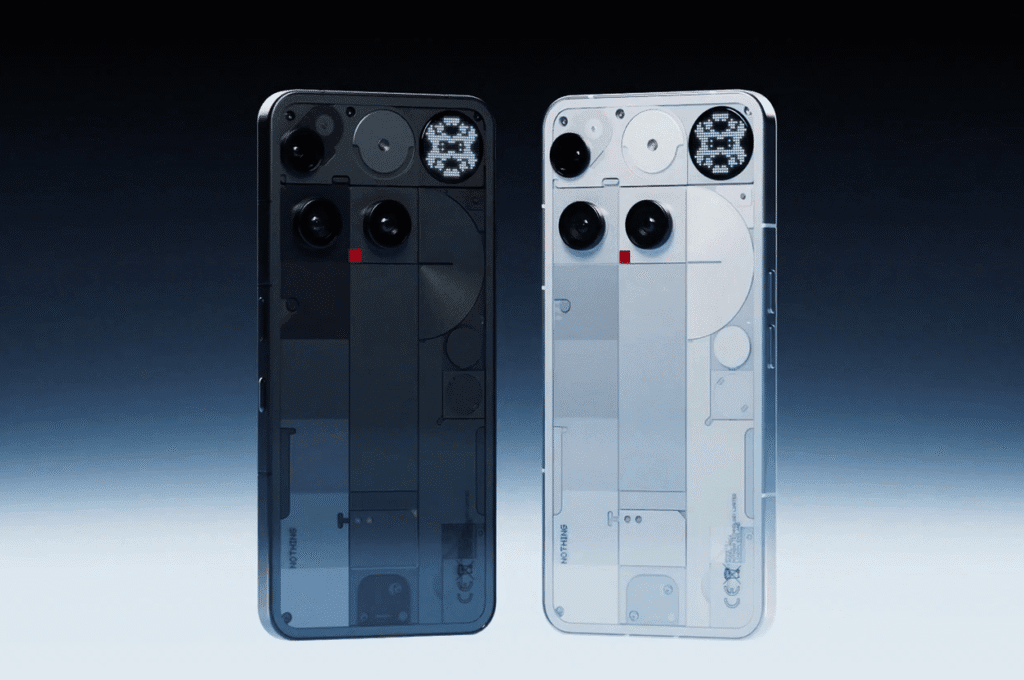
- Transparent back panel showing internals
- Glyph Matrix LEDs for visual feedback, games, and caller notifications
- Premium metal frame, IP68 water resistance
The Nothing Phone 3’s appeal is rooted in design. It’s undeniably bold, playful, and unlike anything else on shelves. If you value personality in your tech, this phone has it.
Display:
-
Save
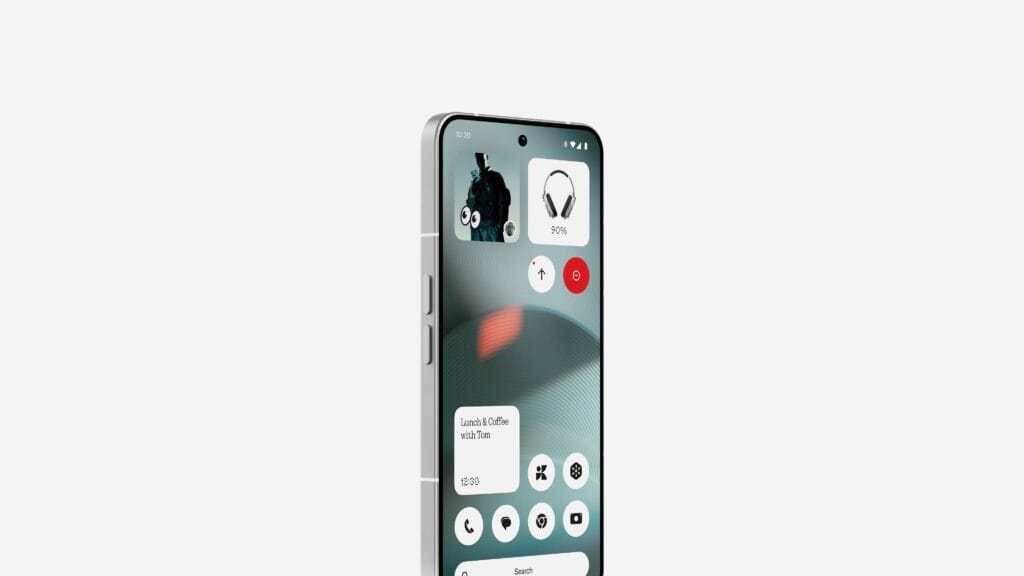
- 6.67” AMOLED
- 120Hz refresh rate
- Peak brightness: 4500 nits
The screen is ultra-bright and smooth, but lacks LTPO technology—meaning it doesn’t adjust refresh rate dynamically, which impacts battery life in long-term usage.
Processor:
-
Save
Benchmark Breakdown
CPU
GPU
Memory
UX
Total
460,339
852,942
410,236
327,364
2,050,881
Single core
Multi core
2,041
6,833
87 FPS
Camera System: Solid, but Not Spectacular
-
Save
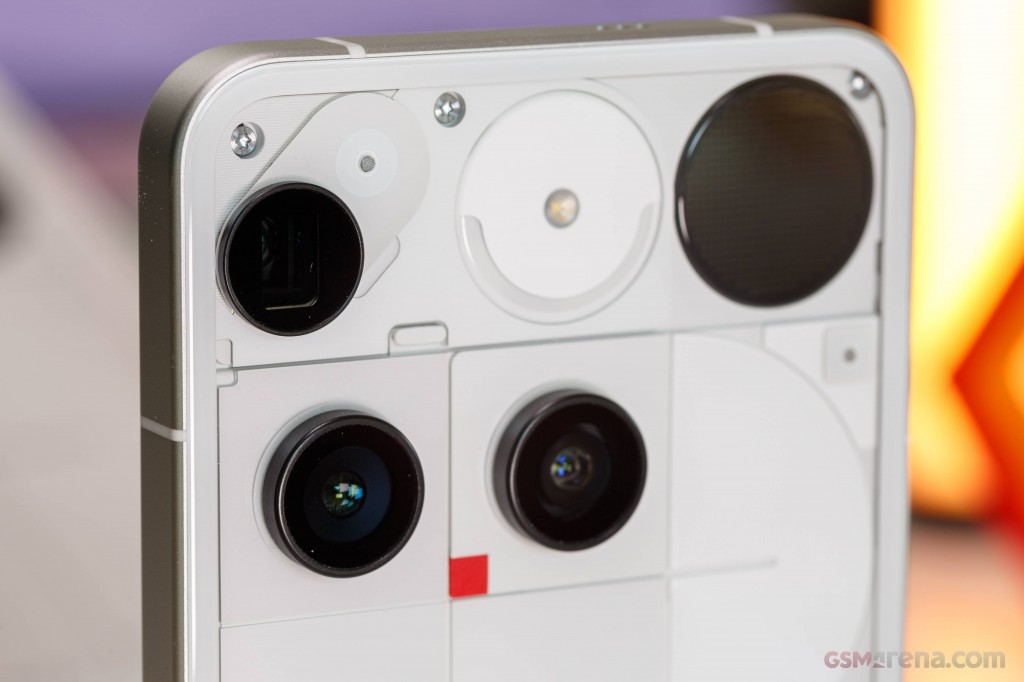
Rear Cameras
- 50MP (main) + 50MP (ultrawide) + 50MP (periscope telephoto)
- OIS, EIS, 5X optical zoom
Front Camera
- 50MP—surprisingly excellent for video calls and selfies
In well-lit scenarios, the camera holds its own. But low light reveals weaknesses—especially in dynamic range and detail retention compared to iPhone 16 and Galaxy S25.
Video
- Shoots up to 4K 60fps, 10-bit HDR
- Glyph Matrix supports funky light-based feedback while filming
Cool gimmicks aside, video processing isn’t as smooth or detailed as Apple’s A18 ISP or Samsung’s computational optimization.
Battery & Charging
-
Save
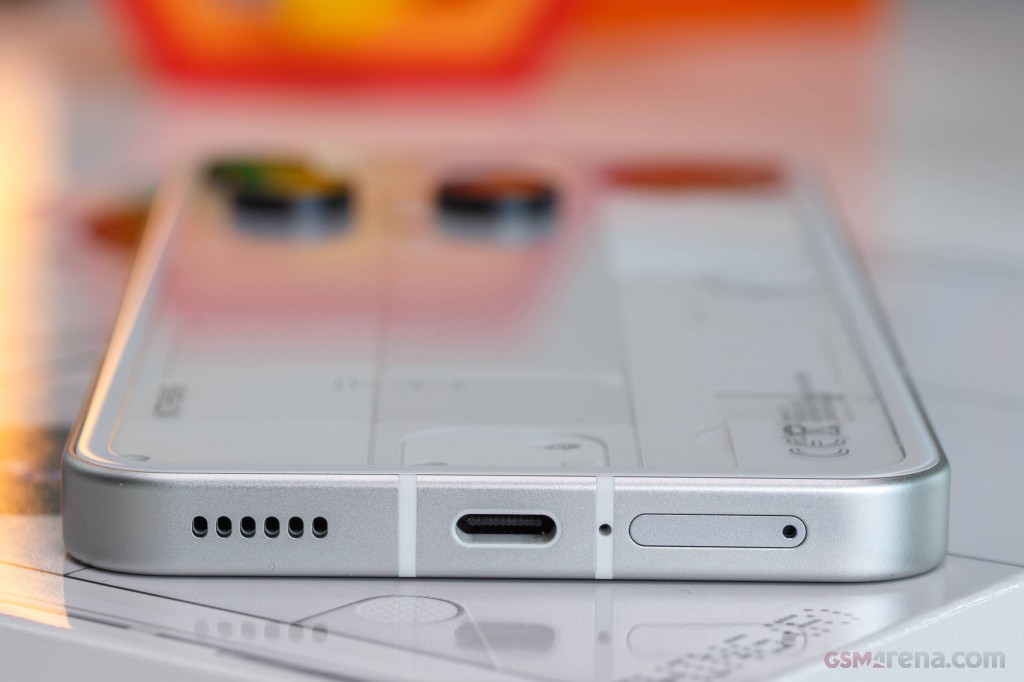
- 5,500mAh capacity
- 65W fast charging (wired)
- 15W wireless
Battery life is impressive due to Nothing OS optimizations. But both OnePlus 13 (100W wired) and Xiaomi 15 (90W wired) charge considerably faster with better thermal management.
Competitor Comparison: Rivals That Outclass
Feature
Nothing Phone 3
OnePlus 13
Galaxy S25
Xiaomi 15
iPhone 16
Price
₹79,999
₹64,999
₹74,999
₹64,998
₹79,900
Chipset
Snapdragon 8s Gen 4
Snapdragon 8 Elite
Snapdragon 8 Elite
Snapdragon 8 Elite
Apple A18
Display
6.67″ AMOLED
6.82″ LTPO AMOLED
6.2″ LTPO AMOLED
6.36″ LTPO OLED
6.1″ OLED 60Hz
Battery
5,500mAh
6,000mAh
4,000mAh
5,240mAh
3,561mAh
Charging
65W wired
100W wired
25W wired
90W wired
25W wired
Camera
Triple 50MP
Triple 50MP
50MP + 12MP + 10MP
Triple 50MP
48MP + 12MP
Front Cam
50MP
32MP
12MP
32MP
12MP
Updates
5 OS + 7 yrs
4 OS + 5 yrs
7 OS + 7 yrs
4 OS + 5 yrs
~7 yrs
Snapdragon 8s Gen 4 vs Snapdragon 8 Elite: Performance Showdown
Feature
Snapdragon 8s Gen 4
Snapdragon 8 Elite (Gen 4)
Manufacturing Process
4nm (TSMC)
3nm (TSMC)
CPU Architecture
1x Cortex-X4 @ 3.21GHz
3x Cortex-A720 @ 3.0GHz
2x Cortex-A720 @ 2.8GHz
2x Cortex-A720 @ 2.02GHz
6x Oryon Phoenix M @ 3.53GHz
GPU
Adreno 825
Adreno 830
RAM Support
LPDDR5X @ 4800MHz
LPDDR5X @ 5333MHz
Memory Bandwidth
76.8 GB/s
85.4 GB/s
AnTuTu v10 Score
~2,063,316
~2,743,058 (+33%)
Geekbench 6 (Single-Core)
~2,154
~3,155 (+46%)
Geekbench 6 (Multi-Core)
~6,880
~9,723 (+41%)
Compute (GPU)
~18,525
~24,141 (+30%)
AI Performance
*Note: TOPS stands for Tera Operations Per Second (or Trillions of Operations Per Second)
~45 TOPS
~75 TOPS
ISP & Camera Support
Up to 320MP, 4K@60fps
Up to 320MP, 4K@120fps, 8K@60fps
Connectivity
5G up to 4.2Gbps
Wi-Fi 7, Bluetooth 6.0
5G up to 10Gbps
Wi-Fi 7, Bluetooth 6.0, UWB
Power Efficiency
Optimized for mid-range
Flagship-grade, 44% more efficient under load
Key Takeaways
Snapdragon 8 Elite Advantages
Significantly faster CPU and GPU performance
Better AI capabilities for generative tasks and multimodal models
Higher memory bandwidth and RAM speed
Advanced camera features like real-time object removal and HDR fusion
Superior connectivity with satellite and UWB support
Snapdragon 8s Gen 4 Advantages
Excellent price-to-performance ratio
Lower heat generation and better battery efficiency
Ideal for upper mid-range phones that don’t need bleeding-edge specs
Nothing Phone 3 USPs: Who Is It For?
Despite drawbacks, there’s still charm in Nothing’s philosophy:
Design-forward buyers: Glyph Matrix, transparent casing, retro-futuristic aesthetic
Minimal UI fans: Nothing OS 3.5 is clean, focused, and bloat-free
Long-term security seekers: 7 years of patches is rare in Android
Brand loyalists: It’s for the “Nothing fan” who values identity and uniqueness
Nothing Phone 3 Drawbacks Recap
Processor Lags: Snapdragon 8s Gen 4 trails in performance
Display Lacks LTPO: No Fully adaptive refresh rates
Camera Limitations: Night and zoom shots aren’t as refined
Slow Wireless Charging: Competitors push 50W+, Nothing stays at 15W
High Price-to-Spec Ratio: ₹80K should deliver better internals
Final Verdict
If you’re buying a phone for performance, gaming, camera quality, or future-proof hardware, the Nothing Phone 3 is not recommendable. There are simply too many competitors at the same price point offering better specs, faster chips, and more refined features but The Nothing Phone 3 is a visual masterpiece that dares to be different. Its transparent design, Glyph Matrix interface, and clean Nothing OS make it one of the most distinctive phones on the market. For users who value aesthetic innovation, minimal software, and long-term updates, it delivers a unique experience.
Share via: