This digest compiles the latest from Engadget.
Today’s Engadget Roundup
Russia closes loophole to fully block payments for Apple services
2 Apr 2026, 4:32 pm by Will Shanklin
Russia has closed a loophole that allowed its citizens to pay for Apple digital services. “As of April 1, 2026, payment processing is no longer available for purchases made on the App Store or other Apple Media Services in Russia,” the company wrote in a support document (via 9to5Mac).
The change affects all Apple services. However, the company says iCloud+ subscribers’ data will remain available after their subscriptions end, even after losing premium cloud storage. Customers’ previous purchases will still be accessible, as will existing Apple Account funds until they run out.
Why is Russia doing this? Well, the (state-aligned) Russian news outlet RBC reported that government officials said it was to prevent users from paying for VPN apps. Earlier this week, Reuters reported that the country has stepped up its attack on the services as part of its “great crackdown” on online information and speech. By mid-January, it had reportedly blocked 70 percent more VPN apps than late last year.
With Russia’s war with Ukraine now in its fifth year, Putin’s regime apparently wants to shore up domestic support the way autocrats do: by limiting access to information. (VPNs allow Russians to circumvent the country’s strict online censorship.) The country’s crackdown has also included blocking WhatsApp, slowing down Telegram and repeatedly jamming mobile internet in Moscow.
This article originally appeared on Engadget at https://www.engadget.com/big-tech/russia-closes-loophole-to-fully-block-payments-for-apple-services-163228262.html?src=rss
Google releases Gemma 4, a family of open models built off of Gemini 3
2 Apr 2026, 4:00 pm by Igor Bonifacic
When Google released Gemini 3 Pro at the end of last year, it was a significant step forward for the company's proprietary large language models. Now, the company is bringing some of the same technology and research that made those models possible to the open source community with the release of its new family of Gemma 4 open-weight models.
Google is offering four different versions of Gemma 4, differentiated by the number of parameters on offer. For edge devices, including smartphones, the company has the 2-billion and 4-billion "Effective" models. For more powerful machines, there’s the 26-billion "Mixture of Experts" and 31-billion "Dense" systems. For the unfamiliar, parameters are the settings a large language model can tweak to generate an output. Typically, models with more parameters will deliver better answers than ones with less, but running them also requires more powerful hardware.
With Gemma 4, Google claims it's managed to engineer systems with "an unprecedented level of intelligence-per-parameter." To back up this claim, the company points to the performance of Gemma 4's 31-billion and 26-billion variants, which claimed the third and sixth spots respectively on Arena AI's text leaderboard, beating out models 20 times their size.
All of the models can process video and images, making them ideal for tasks like optical character recognition. The two smaller models are also capable of processing audio inputs and understanding speech. Separately, Google says the Gemma 4 family is capable of generating offline code, meaning you could use them to do vibe coding without an internet connection. Google has also trained the models in more than 140 languages.
Google is releasing the Gemma 4 family under an Apache 2.0 license. The company made previous Gemma models available through its own Gemma license. The move will give people a greater deal of freedom to modify the new systems to their needs.
"This open-source license provides a foundation for complete developer flexibility and digital sovereignty; granting you complete control over your data, infrastructure and models." Google said. "It allows you to build freely and deploy securely across any environment, whether on-premises or in the cloud."
If you want to give one of the systems a try for yourself, the model weights are available through Hugging Face, Kaggle and Ollama.
This article originally appeared on Engadget at https://www.engadget.com/ai/google-releases-gemma-4-a-family-of-open-models-built-off-of-gemini-3-160000332.html?src=rss
Uber expands its EV incentive program across the US
2 Apr 2026, 3:29 pm by Lawrence Bonk
Uber is expanding its EV incentive program across the US. The company began testing the service in select cities last year. This is a program in which Uber offers drivers a $4,000 grant to switch from their current vehicle to an EV.
These grants are available for both new and used electric vehicles, which is nice because new cars are expensive and could be out of financial reach for many Uber drivers. This program is available to Platinum and Diamond drivers who complete 100 eligible rides by December 31. These drivers can apply for the grant on the platform's website, with applications processed from April 16.
The $4,000 grant isn't the only incentive on offer here. Drivers who purchase a new or used EV through the platform TrueCar can get an additional discount of $1,000. Also, Kia is partnering up with Uber to offer $1,000 off the purchase of a Niro or EV6 and $1,500 off the EV9 SUV. All of that adds up.
No matter how you slice it, however, it doesn't add up to $7,500. This program exists because President Trump's "Big, Beautiful Bill" wiped out the federal tax credit on EVs. Data indicates that full-time Uber drivers make an average of $42,000 per year.
A Kia EV9 starts at $55,000, which goes down to $49,500 with Uber's grant and Kia's discount. The math is still wonky, as I can't think of many other jobs that require workers to spend more than a full year of salary to purchase the necessary tools to get going. The federal tax credit did provide $4,000 with the purchase of a used EV, which Uber's policy does match.
The rideshare platform has been attracting EVs. Uber says there are more than 286,000 EVs on the app globally. The company also says that Uber drivers adopt EVs at a much faster rate than typical car owners in the US, Canada and Europe.
This article originally appeared on Engadget at https://www.engadget.com/transportation/evs/uber-expands-its-ev-incentive-program-across-the-us-152923864.html?src=rss
Flipboard's 'social websites' are a new spin on decentralized social media
2 Apr 2026, 3:00 pm by Karissa Bell
Flipboard has been one of the biggest boosters of decentralized social media. Now, the company, which is known for its social news reading app, is rolling out its latest experiment, "social websites."
The project offers publishers and creators an easier path into what's often called the "open social web," which includes the fediverse, as well as other protocol-based platforms like Blueksy. The company says it could also help creators of all stripes wrest back control of their audiences from mainstream social media platforms and other "walled gardens."
In practice, social websites are essentially microsites that allow creators and publishers to bring together posts from decentralized platforms and RSS feeds into a single place where people can browse blogposts, newsletters, podcast episodes alongside relevant commentary from Bluesky, Mastodon and other federated services. It's also the first web-based offshoot of Surf, Flipboard's reader app designed for the open social web.
The company has already teamed up with a handful of publishers and creators who have made their own "social websites" on top of Surf. For example, Rolling Stone created a dedicated site for its political coverage, which features posts from its writers alongside news stories. Creator David Rushing created a site called "All Net" inspired by the NBA fan community on Threads. All Net features Bluesky, Threads and Mastodon posts, alongside clips from NBA podcasters and creators on YouTube. Fans can not just follow along the feeds of these social websites, but can join in the conversation around the posts from disparate platforms in a single space.
"The social web is really promising and really awesome, but it is kind of complex and it's hard to use," Flipboard CEO Mike McCue tells Engadget. "What we're trying to do is actually make it [so] like in 15 minutes you can make one of these communities."
Eliminating complexity is definitely something the wider protocol-based social web could benefit from. And the Surf website is refreshingly free of words like "protocol" and "federation." You can see content from Mastodon, Pixelfed (the fediverse version of Instagram), PeerTube (fediverse YouTube) without ever having to log in and figure out how to use those platforms.
But there's also a lot of upside for individual publishers and creators, according to McCue. He's had a front-row seat to the years of volatile dynamics between publishers and social media platforms thanks to Flipboard. "They are really done with investing in yet another audience on yet another billionaire's platform where the discovery is totally black-boxed," he said. "Creators and publishers are looking for some way to basically take social media back, to own their own communities and their own relationships with their audience."
Whether this experiment will result in meaningful traffic to publishers is less clear. The rise of Twitter alternatives hasn't always resulted in traffic gains to websites, which are also grappling with increasing pressure from AI search. For now, Flipboard has just ten social websites from publishers, though anyone can now start to tinker with the site and make their own.
This article originally appeared on Engadget at https://www.engadget.com/social-media/flipboards-social-websites-are-a-new-spin-on-decentralized-social-media-150000323.html?src=rss
Samsung's new Frame Pro and OLED TVs are now available to order
2 Apr 2026, 3:00 pm by Ian Carlos Campbell
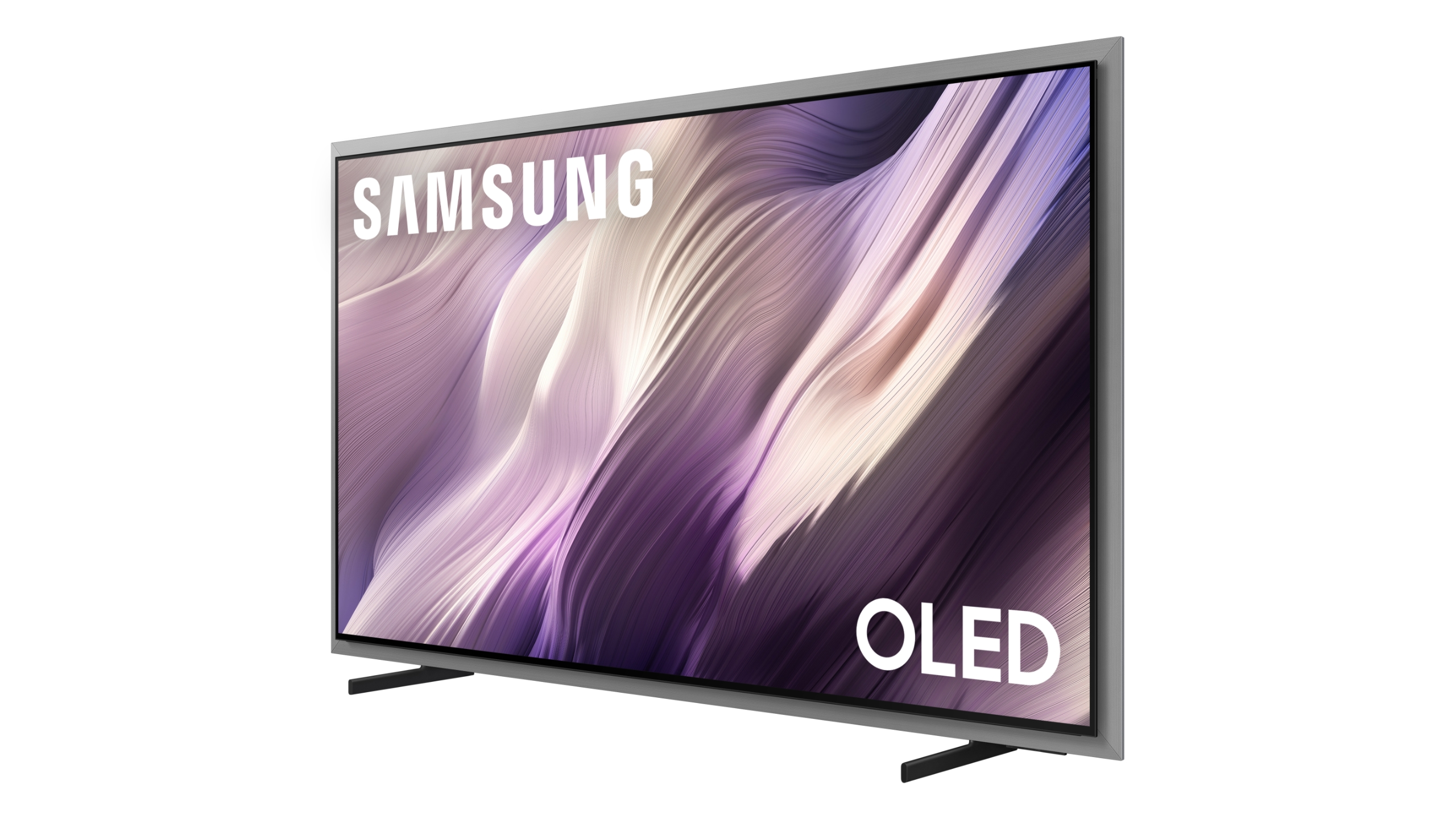
After sharing pricing and availability for its new Mini LED TVs in March, Samsung is ready to detail some of the other TVs it introduced at CES earlier this year. The 2026 versions of Samsung's The Frame Pro and OLED TVs are both available to order today – save for some notable exceptions – and they start for as little as $1,200.
The Frame Pro was originally introduced in 2025 as the more premium version of Samsung's popular The Frame art TVs. The big advantage of stepping up to a Pro model over a normal Frame is you get a Neo QLED panel with better backlighting, and support for Samsung's Wireless One Connect box, which lets you avoid cluttering your TV with extra cables. The 2026 version doesn't really change that formula. You still get a glare-free QLED panel, a refresh rate of up 144Hz or up to 240Hz when the TV is connected to a PC and access to the Wireless One Connect box. The key differences are The Frame Pro now comes in a smaller 55-inch size (joining Samsung's 65-inch, 75-inch and 85-inch models) and one of the TV's Micro HDMI ports supports eARC for improved audio quality with connected sound bars.
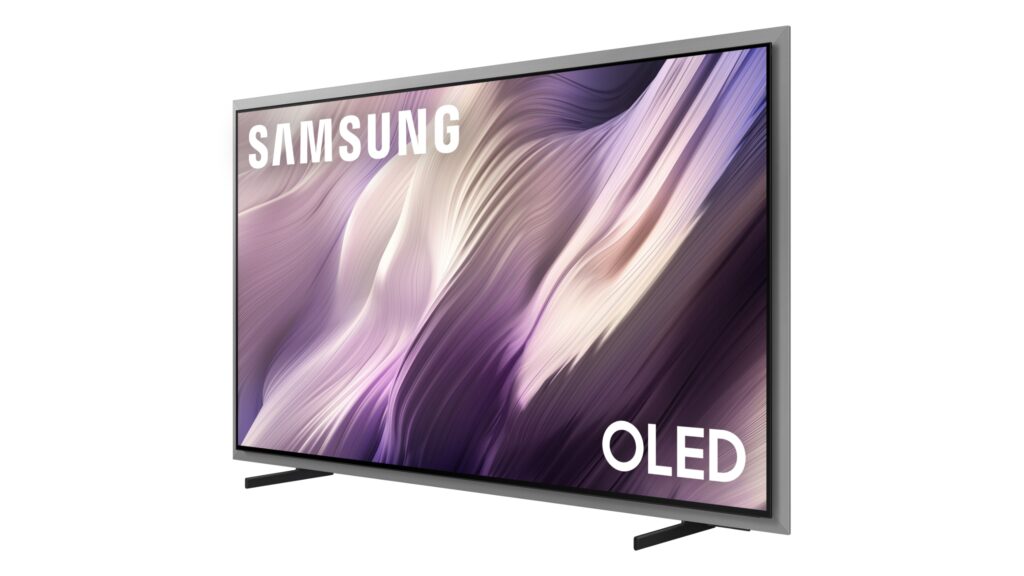
Samsung's improvements to its OLED TVs line is a bit more substantial. The company's flagship S95H features what Samsung calls a "FloatLayer Design" with a metal bezel that lets the TV mount flush against a wall, and the option to use a Wireless One Connect Box to hide cable clutter. Both the S95H and the cheaper S90H feature brighter OLED HDR Pro or OLED HDR+ displays, and Samsung's glare-free treatment to hide reflections. The TVs are also NVIDIA G-Sync compatible and support AMD FreeSync Premium Pro to prevent stuttering and screen tearing when you're playing games, and use Samsung's NQ4 AI Gen 3 Processor to handle 4K upscaling and other AI features. The cheapest OLED option, the S85H, now also comes in a smaller 48-inch size.
Most, but not all, of Samsung's 2026 The Frame Pro models are available to purchase from Samsung and other retailers starting today. The 65-inch The Frame Pro is available for $2,000, the 75inch model is $2,800 and the 85-inch model is $4,000. Samsung has yet to share pricing or availability for the 55-inch The Frame Pro, or the 2026 versions of the entry-level The Frame.
All the company's 2026 OLED TVs are also available to purchase. A 55-inch S95H is $2,500, the 65-inch model is $3,400, the 77-inch model is $4,500 and the 83-inch model is $6,500. The mid-tier S90H lineup starts at $1,400 for a 42-inch model and goes all the way up to $5,300 for an 83-inch model. Samsung's S85H, meanwhile, starts at $1,200 for a 48-inch model and goes up to $4,500 for an 83-inch model.
This article originally appeared on Engadget at https://www.engadget.com/home/home-theater/samsungs-new-frame-pro-and-oled-tvs-are-now-available-to-order-150000440.html?src=rss
Artemis II crew is just like us, needs help with Microsoft Outlook issues
2 Apr 2026, 2:52 pm by Kris Holt
The four history-making Artemis II crew members are cooped up with each other in a tiny space for 10 days. And yet the most uncomfortable aspect of the mission might be having to deal with not one, but two instances of Microsoft Outlook.
Commander Reid Wiseman sent a literal "Houston, we have a problem" message to mission control in the early hours of Thursday. He sought tech support for internet connectivity issues on a PCD (personal computing device), which is a Microsoft Surface Pro. Before you ask, yes, Wiseman did try turning the device off and on again before requesting help, but that didn't resolve the problem.
NASA detected that the PCD was actually on a network. It asked the commander for permission to connect to the tablet remotely so it could look into a problem with the Optimus software. "I also see that I have two Microsoft Outlooks and neither one of those are working," Wiseman responded, per a clip shared by Niki Grayson on Bluesky. "If you wanna remote in and check Optimus and those two Outlooks, that would be awesome."
I scrubbed through some of NASA’s livestreamed feed of its communications with Orion, but didn’t hear any resolution to the problem. Perhaps tech support was looking into the matter while the astronauts were asleep. Engadget has contacted NASA for comment.
Tablet trouble isn't exactly the biggest problem the crew had to deal with thus far. The astronauts reported an issue with a fan in the toilet, which handles urine collection. Although there are contingency urinal bags on board Orion, the issue was thankfully resolved within a few hours.
Still, dealing with Outlook means that the astronauts will have the sympathy of many office workers. Here's hoping they don't have to use Teams as well.
This article originally appeared on Engadget at https://www.engadget.com/computing/artemis-ii-crew-is-just-like-us-needs-help-with-microsoft-outlook-issues-145230968.html?src=rss
The hottest EVs from the 2026 New York Auto Show (plus one brawny concept)
2 Apr 2026, 1:31 pm by Sam Rutherford
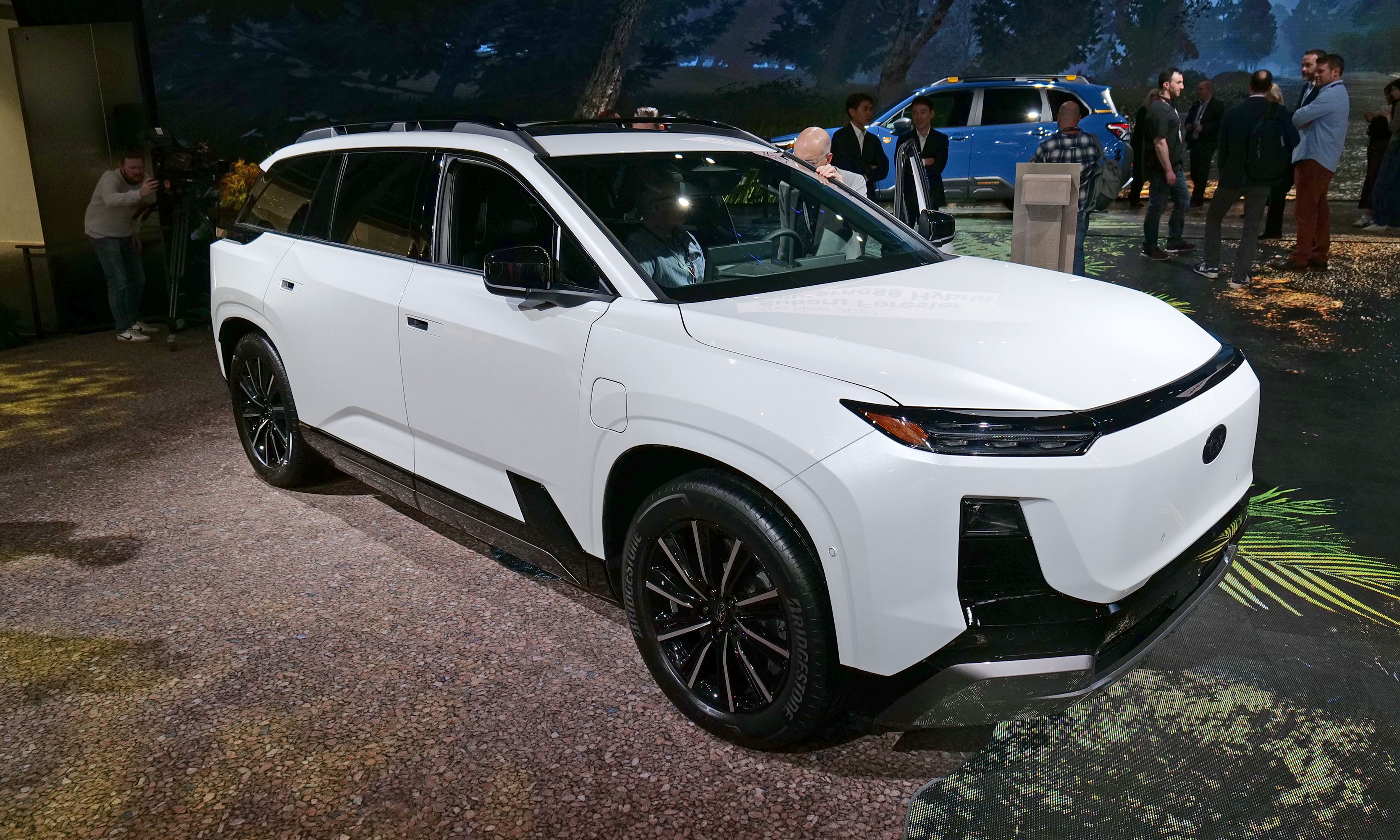
With gas prices rising across the country, consumers are turning to electric vehicles as a way to save money on their commute. And while there weren’t a ton of all-new EVs on display at the 2026 New York International Auto Show, we did see some notable debuts from automakers including Subaru, Kia, Hyundai and more. So here’s a look at some of the most interesting upcoming EV models on display today, including a handful of previously announced vehicles that we haven’t had a chance to see in person before.
Subaru Getaway
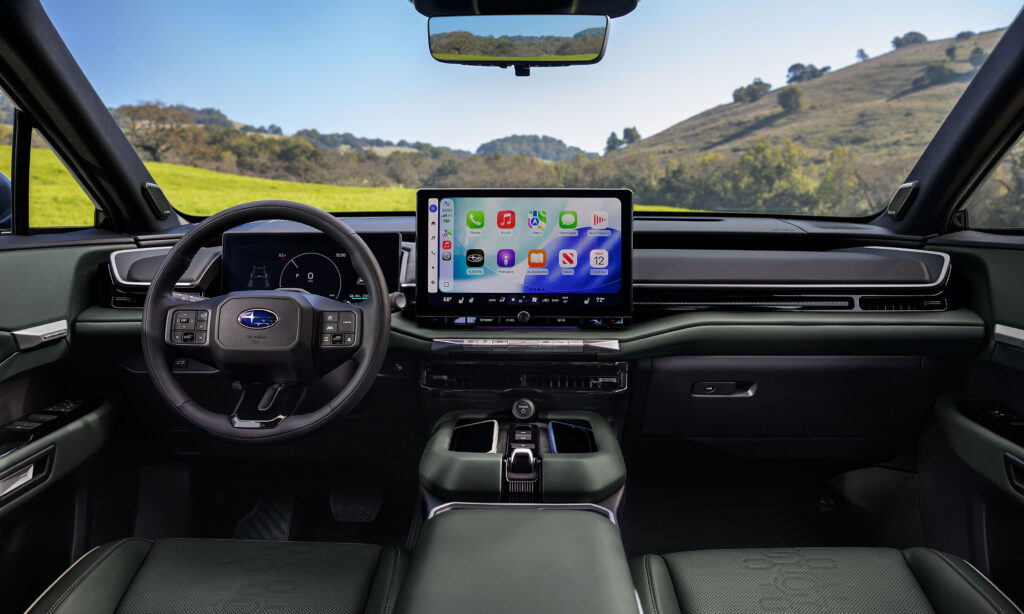
Built on the same platform as Toyota’s Highlander EV, the Getaway isn’t just Subaru’s first three-row EV SUV, it’s also its most powerful with up to 420 horsepower. Naturally, the car comes standard with the company’s signature Symmetrical all-wheel drive tech while the 95.8kWh battery on the long-range model delivers more than 300 miles. Sadly, with a lackluster expected charging speed of 150kW, the Getaway will need about 30 minutes to bring its battery from 20 to 80 percent. The Getaway is expected to arrive sometime in late 2026, and while Subaru has yet to reveal official pricing, it’s also planning on releasing a more affordable standard range model with a 77kWh power pack in the first half of 2027.
Hyundai Boulder Concept

2026 marks the 40th anniversary of Hyundai’s entrance into the US auto market. To help celebrate the occasion, the company showed off a new concept car called the Boulder. While concrete details are sparse, the prominent grille and body on frame construction strongly suggest that it won’t be a full BEV (battery EV). We’re looking at a hybrid or range-extended EV at best. That said, the Boulder showcases what Hyundai is calling its “Art of Steel” design philosophy which looks to emphasize the strength, flexibility and beauty of its metal exterior while looking a lot more approachable than a Tesla Cybertruck. Notably, while there’s no guarantee that the Boulder will look this big and brawny if it ever reaches production, Hyundai says this platform will underpin a future midsize pickup slated to arrive sometime in 2030.
Kia EV3
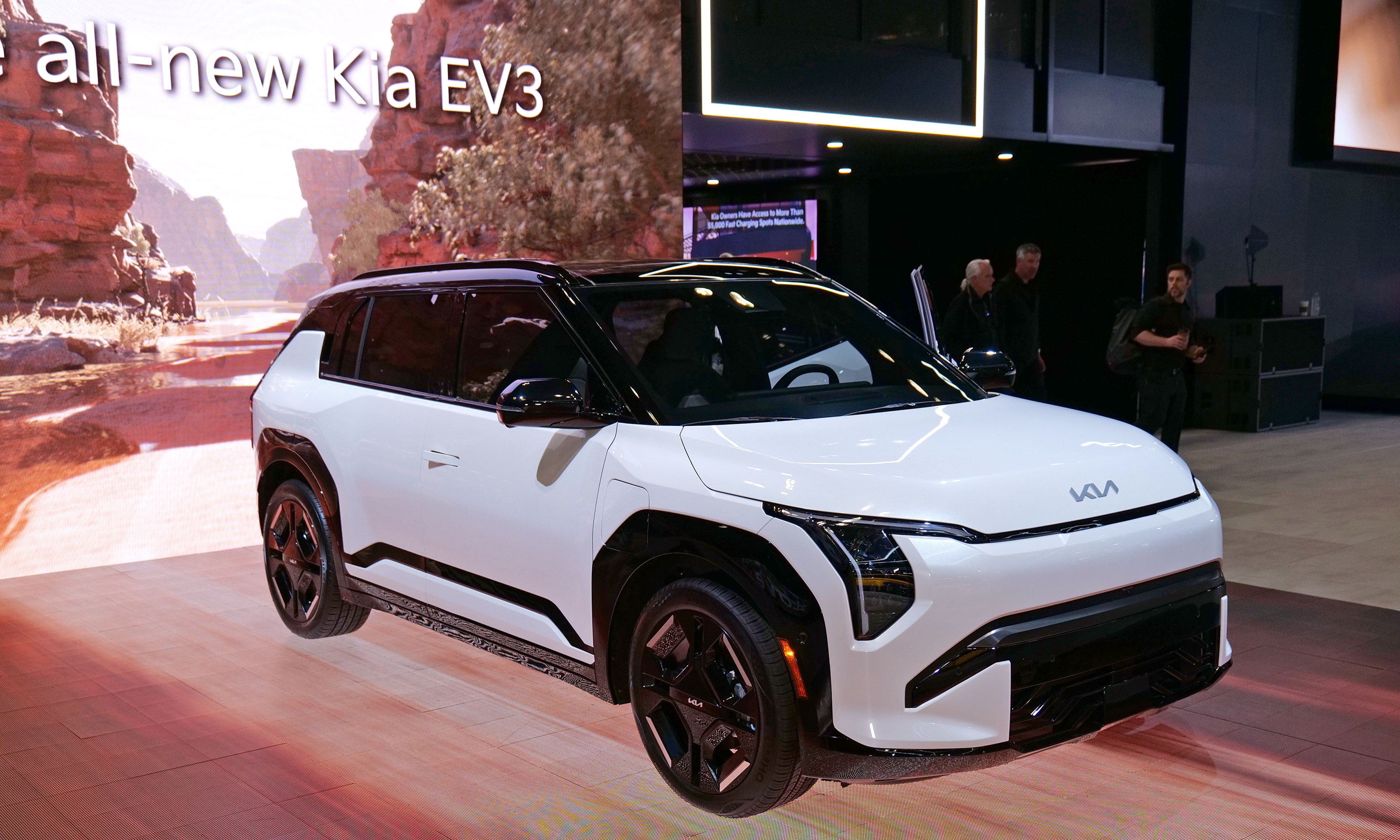
The EV3 has been on sale in Europe for about a year and a half, but today at the New York International Auto Show, Kia debuted the new 2027 model of EV3 that will go on sale here in the US sometime before the end of the year. As the smaller sibling to the EV9, the EV3 features a similar design that combines the chunky body of an SUV with clean, futuristic lines, but in a more compact vehicle similar in size to the Sportage. While Kia hasn’t released official pricing, the EV3 is expected to arrive in two main configurations: a standard-range model with a 58.3kWh battery and up to 220 miles of range that could start as low as $35,000, or a more premium long-range variant that promises 320 miles of range. Sadly, its 400-volt architecture means it won’t charge quite as quickly as some of Kia’s more premium EVs. But as a nice bonus, the company says the EV3 will come with vehicle-to-load technology, so you can use the car’s battery to power other devices like tools, lights or your home.
Genesis GV60 Magma
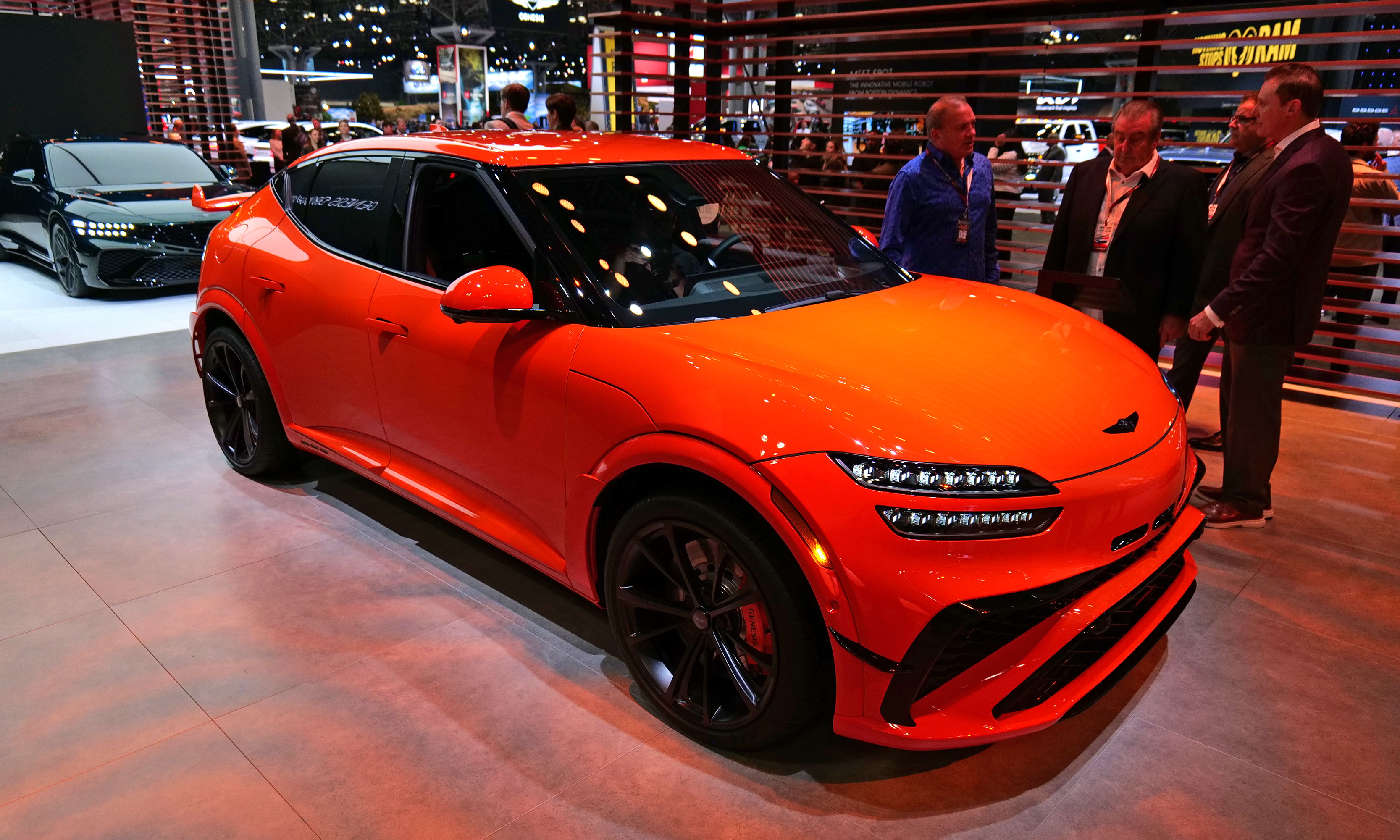
While it shares the same chassis and platform as Hyundai's Ioniq 5N, the Genesis GV60 Magma looks to deliver a more luxurious take on what an electric hot hatch can be. And it looks damn good, especially with its molten orange paint job. Compared to the regular GV60, the Magma features exclusive 21-inch wheels along with streamlined canards, a much larger rear wing and a redesigned bumper that delivers better airflow. But the best part is that while it might seem like a custom creation designed solely to get attention at car shows, Genesis is actually going to put this thing into production with an expected release some time in mid to late 2026.
Polestar 4 Arctic Circle Edition

Yellow isn’t my favorite color, but between its striking paint job and new cold-weather augments, the Arctic Circle version of the Polestar 4 looks absolutely fantastic. It also features 20-inch wheels from OZ Racing, a bunch of extra exterior lights and a rack for skis. And because the Polestar 4 relies on rear-facing cameras and a display built into its rearview mirror, you can still see out the back without anything getting in the way. Unfortunately, because this is a one-off model built for the F.A.T. International Ice Race, you won’t be able to buy one for yourself.
Hyundai Ioniq 5 XRT

A year and a half ago when I was in the market for a car, the Ioniq 5 was high on my short list. While I eventually went with a Mach-E, if this XRT edition had been available back then, it might have tipped the scales in Hyundai’s favor. This model combines the Ioniq 5’s signature pixelated good looks with some nice off-road touches to create a well-equipped midsize EV that can handle practically any situation. I especially like the addition of bright orange tow hooks that serve as a nice contrast to the subtle digital camo print on the XRT’s front bumper. And while its chunkier tires result in range that’s a touch lower than what you get from an equivalent Limited model (259 vs 269 miles), the XRT makes up for that by including Hyundai’s HTRAC All Wheel Drive system by default without a huge jump in price.
Corvette CX Concept

With the 2026 Chevrolet Corvette ZR1X already boasting more than 1,200 horsepower, it’s kind of scary to think what the Corvette CX Concept could bring if it ever reaches production. Described as the vision of the future, the CX is Chevy’s take on an electrified hypercar while also serving as a template for future Corvettes as a whole. And while its proportions and styling are so extreme that it's hard to believe they will make it onto a consumer vehicle, this thing sure is nice to look at.
Rolls Royce Spectre

For a brand as old and steeped in tradition as Rolls Royce, it’s easy to forget that the luxury automaker began its transition to the EV era back in 2022. And while the company wasn’t officially in attendance at the New York Auto Show, Manhattan Motorcars was nice enough to bring a Spectre to the show floor for plebs like us to gawk at. In many ways, this car is an ideal showcase of the advantages of electrification, as the Spectre offers ample power (up to 650hp for the Black Badge variant) and massive torque, but without all the commotion you get from an internal combustion engine. Despite weighing around 6,500 pounds (making it one of the heaviest passenger cars on the market), it still delivers more than respectable range, with up to 277 miles depending on the specific config. Although, it’s not like any Spectre owners are actually going to take this thing on a cross-country road trip.
This article originally appeared on Engadget at https://www.engadget.com/transportation/evs/the-hottest-evs-from-the-2026-new-york-auto-show-plus-one-brawny-concept-120000557.html?src=rss
Apple Arcade just got two indie gems
2 Apr 2026, 1:30 pm by Lawrence Bonk
Two fantastic indie titles just dropped for Apple Arcade. The platform has received versions of Dredge and Unpacking, both of which have been optimized for mobile devices.
Dredge+ is the complete edition of the game, with all released DLC content. This is pretty much a perfect video game that combines fishing with bone-chilling horror. During the day, you sail around and fish, which involves a fishing minigame and a “pack the fish in the bag” minigame. At night, you are hunted by Lovecraftian monsters that may or may not be real. The developers threw in some tricks to make players doubt their own sanity, just like the Gamecube classic Eternal Darkness.
Unpacking+ is the original game, but optimized for touchscreen controls. It’s basically a block-fitting puzzle game, in which players arrange items in a home as they, well, unpack. Despite this extremely simple premise, the story is quite moving. There’s a reason why it has racked up numerous accolades, including one for Cultural Impact at the 2023 App Store Awards. It’s also a fantastic title for short bursts of gameplay.
The pet sim My Very Hungry Caterpillar+ also arrives for the platform today. Otherwise, pre-existing titles are getting updates throughout the month. The word-based puzzle game Disney SpellStruck just got more Star Wars content and Puyo Puyo Puzzle Pop gets a new game mode on April 9.
This article originally appeared on Engadget at https://www.engadget.com/gaming/apple-arcade-just-got-two-indie-gems-133056009.html?src=rss
Soundcore Nebula X1 Pro review: The king of party projectors
2 Apr 2026, 1:00 pm by Steve Dent
Every now and then, I test a gadget so wild that I can’t believe a company actually made it. Soundcore’s $5,000 Nebula X1 Pro projector is the embodiment of that: an ultra bright projector and a 400-watt Dolby Atmos 7.1 speaker system combined in a massive enclosure. With a fast and flexible setup, it lets you screen movies or watch sports nearly anywhere.
It’s not just a projector crammed into a big speaker system, though. Everything is elegantly integrated and setup is nearly automatic, thanks to the clever design and motorization. The weight and price are the biggest strikes against it, but if you can afford it, and love hosting movie nights, the Nebula X1 Pro is one of the coolest devices you can buy.
Design
Made by Anker sub-brand Soundcore, the Nebula X1 Pro has a professional-looking enclosure housing a Nebula X1 laser projector and five speakers — a subwoofer, two front satellites and two rear satellites. With all that crammed in, the projector is big and heavy at 30 inches high and 72 pounds. Fortunately, it has a pair of wheels on the back and a telescoping handle so it’s easy to roll from room to room or dolly outside. Good luck carrying it up a set of stairs or unloading it from a vehicle by yourself, though.
Soundcore made the Nebula X1 Pro as outdoor-friendly as possible, with IP43 and IP54 ratings on the body and speakers, respectively, to withstand short periods of rain. If you want to use it away from home, the company sells optional kits with a 200-inch inflatable screen or an Anker Solix C1000 battery that can power it for several hours.
The four wireless satellite speakers have seven horizontal and four overhead channels, and the two-speaker subwoofer is inside the main enclosure. The rear speakers pop out of a spring-loaded storage dock with a light press, same for the telescoping speaker legs.
The front satellite speaker docking system is even more slick. To release them, you press a button on top and they fold out of the side via a motorized system. You can either leave them there or detach them at the touch of a button. All speakers can be charged externally over USB-C or inside their docks. They have eight hours of battery life, though I found the bigger front ones held a charge for slightly longer than that.
The X1 Pro also includes a pair of high-quality Soundcore wireless microphones for DJ-ing or karaoke, tucked under the top panel. Those feature AI vocal removal from songs, one-touch reverb and 40 hours of battery life — everything you need for a karaoke party.
There’s only a single HDMI 2.1 port at the back (which is odd considering that the Nebula X1 has two) with eARC support for Dolby Atmos sound. It also comes with two USB-C ports for external file playback, charging and a PC connection. Lastly, the power cable is retractable, which is another nice design touch.
Features
I also reviewed the Nebula X1 projector that’s inside the X1 Pro, but here’s a summary in case you missed it. The projector uses Soundcore’s proprietary “LaserForge 2.0” liquid-cooled, triple-laser engine that beams a bright, color-accurate image with very little fan noise (26 db). It promises high native contrast thanks to the 6-blade dynamic iris and NebulaMaster 2.0 image engine. The 0.9:1 to 1.5:1 optical zoom lens allows for flexible installation and employs 14 high-quality, long-lasting glass elements.
The X1 Pro uses the same 0.47-inch DLP chip found in many other projectors (and not the bigger, better 0.67-inch chip coming soon in XGIMI’s Titan Noir). The lasers are beamed through a color phosphor wheel twice to achieve excellent 90 percent color and brightness uniformity across the screen.
The projector’s motorized gimbal tilts 25 degrees upward so you can position it well below the screen. The “spatial adaptation” feature scans the projection area then beams the final image to precisely fit the screen or wall. It worked nicely for me, though overhead lights or other obstacles can throw it off. The projector can adapt to ambient light and the wall color, and another function called Spatial Recall lets you save all your settings for later.
Once I detached them, the speakers paired automatically to the X1 Pro over 5.8Ghz Wi-Fi with no difficulty. I placed them around the room to maximize soundstage, then the Nebula X1 Pro’s “Flexwave” tech used a built-in four-mic array to detect their positions and calibrate the audio. I was seated off to the side, so I used the “smart sweet spot” feature to drag the center point toward my position for optimal sound balance.
Google TV is included, offering a large library of streaming apps and an easy-to-use projector control interface via the included remote (tucked into the top so you hopefully won’t lose it). You get Netflix’s official app with support for 4K Dolby Vision and Dolby Atmos, plus the X1 Pro has Chromecast support and Google Assistant for voice control. The interface can occasionally be sluggish, though Soundcore has improved its latency since I tested the Nebula X1.
Image quality
Even after testing other high-end projectors including Valerion’s VisionMaster Max, the Soundcore Nebula X1 Pro is still the brightest and sharpest I’ve seen. The company’s luminosity claim is accurate; I measured 3,514 ANSI lumens in “Standard” mode from the center of the screen and 3,310 in the cinematic “NebulaMaster” mode. It can output a whopping 4,175 lumens in Conference mode, albeit with a heavy blue color cast.
That brightness allowed me to comfortably watch content on a sunny day with the shades up. The X1 Pro also offers high dynamic contrast up to 56,000:1, aided by the automatic iris and NebulaMaster image engine, which also keeps the image from washing out in daytime conditions.
When used in more ideal dark conditions, the image was bright, sharp and incredibly color accurate. Soundcore claims 110 percent coverage of the challenging BT.2020 HDR color space (with a Delta E less than 0.8), putting the X1 Pro in elite company with a few select models from Samsung, Hisense and a few others. I measured around 94 percent BT.2020 coverage in ISF mode, which falls short of the company’s claim but is still impressive.
The high color accuracy meant that the TV series and movies I watched like Iron Man 2, Dune 2, Andor and F1 looked beautifully cinematic. If the colors aren’t quite to your liking, you can make fine adjustments manually. Like other 4K projectors with a 0.47-inch DLP chip, the X1 has a slight amount of light spill around the edge of the screen, but it’s only noticeable when the projected image is particularly dark.
With HDMI 2.1 the Nebula X1 Pro supports 4K 120 fps sources, but can only display 4K at 60 fps. Because of that, and the relatively high input lag, it’s not ideal for gaming.
Audio
The 400-watt audio setup is what elevates the Nebula X1 Pro above its rivals. Thanks to their Wi-Fi connectivity, the satellites have a latency of just 25 milliseconds, compared to 150 milliseconds or more for typical Bluetooth speakers. That keeps sound and picture perfectly synced, something that can be a problem with other wireless speaker setups.
The X1’s two internal subwoofers can pump out sound as low as 38Hz at up to 87 decibels. That allowed for the loud and punchy (but not boomy) bass I love for action movies like Spider-Man: No Way Home and Once Upon a Time in Hollywood. At the same time, that bass is clear and subtle for less bombastic films like Eternal Sunshine of the Spotless Mind. To avoid vibrating the projector, the subwoofer is mounted on a suspension system, and I found it didn’t affect the picture even during loud scenes.
With the four wireless speakers spread around a big room, I got an outstanding soundstage with Dolby Atmos-supported content including Star Wars: A New Hope and The White Lotus: Season 3. The speakers delivered crisp and accurate highs, while the dedicated front voice drivers let me hear even soft dialogue, though midrange sound could occasionally be a bit tinny. It faithfully reproduced tricky film soundtracks like Lord of the Rings: The Two Towers and did justice to the industrial metal and symphonic music in The Matrix. Yes, you’d get better sound from a dedicated high-end 7.1 Dolby system, but with far more setup hassle and zero portability.
Wrap-up
Soundcore’s Nebula X1 Pro is a home theater marvel that’s so well-designed almost anyone can set it up. By integrating one of the best triple-laser projectors with a 400-watt Dolby Atmos 7.1.4 surround system, and then putting all of that on wheels, you can enjoy an immersive cinema experience nearly anywhere.
This Nebula X1 Pro has no true rivals, but competitors with similar projectors (but no sound systems) include the Valerion VisionMaster Max and XGIMI Horizon 20 Max, both triple-laser systems with comparable brightness and color accuracy. Once you add an audio surround system, though, you’ll be spending the same amount and won’t get the X1 Pro’s convenience and portability.
The catch, of course, is the $5,000 price. However, if you have the money and want the ultimate home theater experience that’s portable and easy to use, Soundcore’s beastly Nebula X1 Pro is actually a good deal.
This article originally appeared on Engadget at https://www.engadget.com/home/home-theater/soundcore-nebula-x1-pro-review-the-king-of-party-projectors-010018484.html?src=rss
Apple's controversial Fitness VP Jay Blahnik is retiring
2 Apr 2026, 11:52 am by Mariella Moon
Jay Blahnik, who served as Apple’s Fitness chief for almost 13 years, has announced that he’s retiring this July. According to The New York Times, Blahnik told employees in an email that he was leaving “to spend time with his family and make an exciting move to New York City.” Blahnik is retiring less than a year after The Times reported on allegations that he was “verbally abusive, manipulative and inappropriate” towards his employees, creating a toxic workplace environment.
Approximately 10 out of the 100 employees under his leadership had reportedly sought extended leaves of absence for mental health concerns since 2022. One employee had sued him and Apple, accusing him of bullying her, and the case will go to trial in 2027. Apple had also allegedly settled a complaint by another employee, accusing him of sexual harassment. The company had conducted an internal investigation after employees reported him, The Times said, and found no evidence of wrongdoing from his side. Employees told the publication that they felt Apple was more concerned with protecting the image of a notable executive than addressing their issues.
Blahnik oversaw the company’s Fitness+ subscription service during his time with the company. Prior to that, he helped create Apple Watch’s fitness features and was also known for creating Apple’s famous activity rings.
This article originally appeared on Engadget at https://www.engadget.com/big-tech/apples-controversial-fitness-vp-jay-blahnik-is-retiring-115232410.html?src=rss
Google's $20 per month AI Pro plan just got a big storage boost
2 Apr 2026, 4:45 am by Steve Dent
Google's $20 per month AI Pro plan, which includes Gemini, Veo and Nano Banana, got a big storage boost and some other new perks. Users of the plan (also available for $200 per year) will see their cloud space jump from 2TB to 5TB at no extra cost. That extra storage can be used not only for AI but also Gmail, Google Drive and Google Photos backups.
Gemini can now pull context from Gmail and the web for Drive, Docs, Slides and Sheets, provide summaries for your Gmail inbox and proofread emails before you send them. It's also introducing additional agentic help with Chrome auto browse "that handles those tedious, multi-step chores — like planning a trip or filling out forms," Google VP Shimrit Ben-Yair wrote on X.
Finally, Google announced that it's bundling its Home Premium subscription into AI Pro, a perk that usually costs $10 per month by itself. The storage and extra features are now available for new and existing subscribers. You may not see the benefits appear in your plan yet but it's definitely not an April Fool's joke, Ben-Yair assured X commenters.
This article originally appeared on Engadget at https://www.engadget.com/ai/googles-20-per-month-ai-pro-plan-just-got-a-big-storage-boost-044502621.html?src=rss
The Artemis II mission has started its 10-day journey around the moon
2 Apr 2026, 3:34 am by Mariella Moon
The Artemis II mission successfully launched into space on April 1, at 6:35pm Eastern time, from Launch Complex 39B at the Kennedy Space Center in Florida. It will take NASA astronauts Reid Wiseman, Victor Glover, Christina Koch, as well as Canadian Space Agency astronaut Jeremy Hansen, on a 10-day trip around the moon. This mission is the first crewed Artemis flight and will lay the groundwork for future trips to the moon itself, the first flight with a crew onboard the SLS rocket and Orion spacecraft system and our first foray into deep space since the Apollo program.
A few hours into their journey, and the astronauts could already see majestic views of our planet. However, the astronauts also reported a problem with their waste‑management system, which is the first real toilet installed on a deep-space mission. The astronauts thankfully have a backup option: Waste collection bags that Apollo crews had used and had previously discarded on the lunar surface.
The Orion spacecraft successfully separated from the upper stage of the rocket, and the "proximity operations" test is underway. The Artemis II astronauts are manually piloting Orion similarly to how they would if they were docking with another spacecraft. pic.twitter.com/RWW4RSyaoq
— NASA (@NASA) April 2, 2026
By 10:43PM Eastern, the Orion spacecraft carrying the four astronauts successfully separated from the upper stage of the Space Launch System rocket. Glover then started manually piloting the capsule to demonstrate and test how Orion would move and dock with the future lunar landers that will be built by SpaceX and Blue Origin. You can watch the events that happened within the first few hours of the mission below. The crew and their Orion capsule are expected to slash down into the Pacific Ocean on April 10.
This article originally appeared on Engadget at https://www.engadget.com/science/space/the-artemis-ii-mission-has-started-its-10-day-journey-around-the-moon-033412865.html?src=rss
End of today’s Engadget roundup.