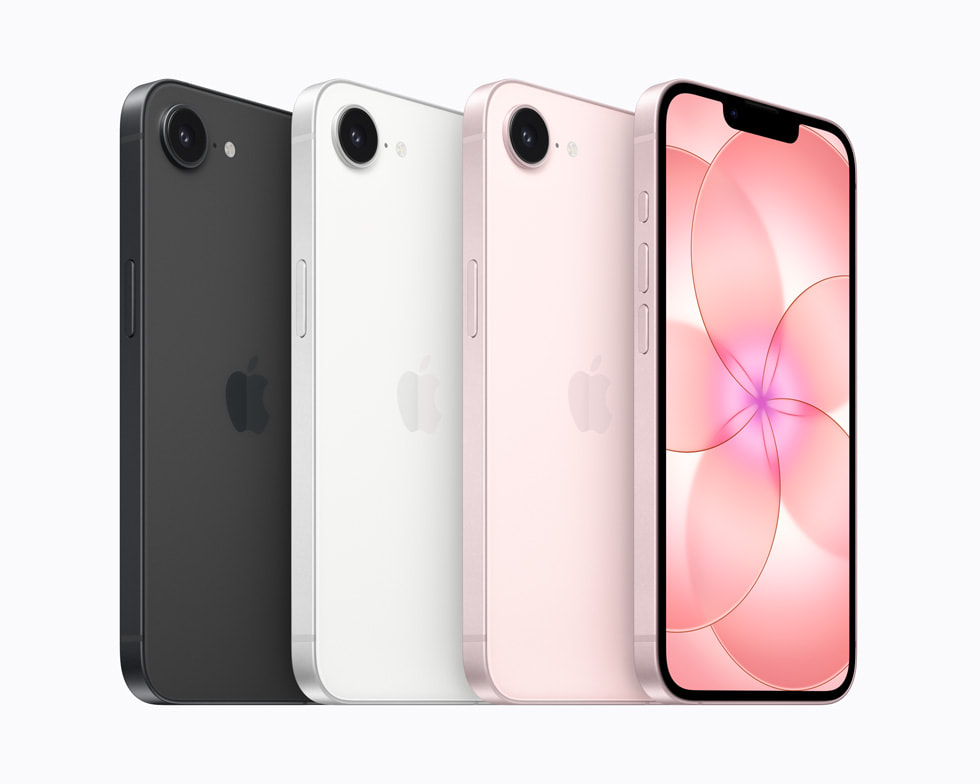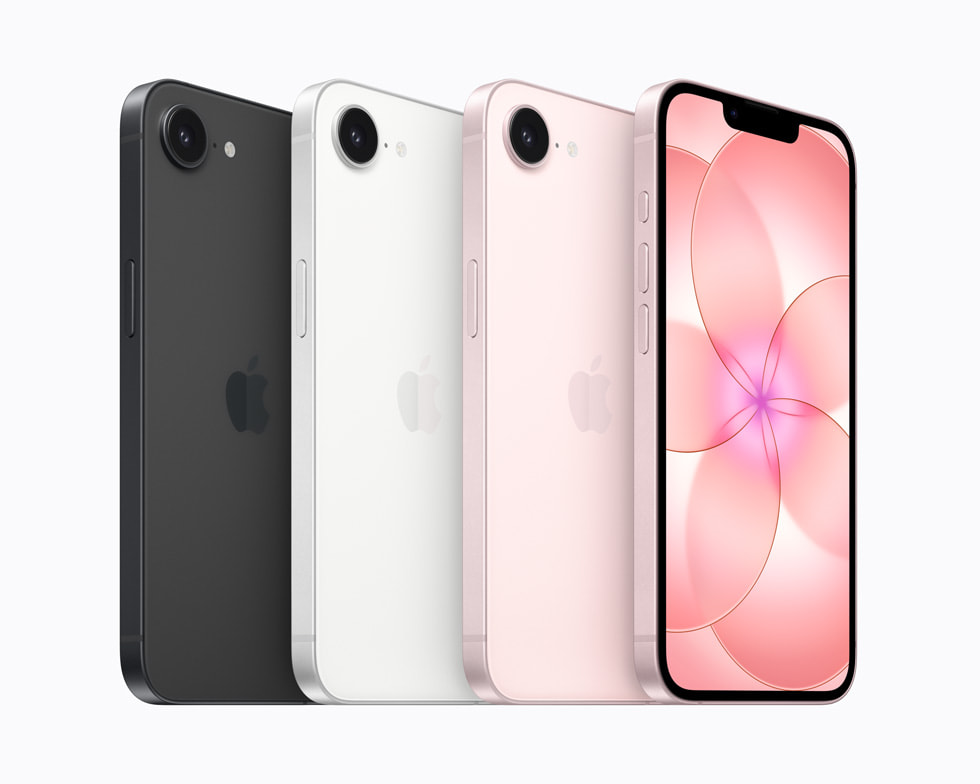
This digest compiles the latest from Engadget.
Today’s Engadget Roundup
Paramount+ and HBO Max could be merging into a single streaming service
2 Mar 2026, 4:34 pm by Andre Revilla
Paramount Skydance plans to combine Paramount+ and HBO Max into a single streaming service following the completion of its merger with Warner Bros. Discovery. CEO David Ellison confirmed the plan on an investor call Monday, saying the combined platform would serve over 200 million subscribers and position the company to compete with the biggest players in the streaming space.
“We think the combined offering, and given the amount of content and what we can do from the tech side, really will put us in a position to be able to compete with the most scaled players in DTC,” Ellison said. It’s not yet clear whether the app’s two libraries will be fully integrated, or whether one will exist as a standalone service within the other. Ellison signaled that the HBO brand will “operate with independence” during the call.
Also unclear is what the newly combined app would cost subscribers. The last year has seen nearly across-the-board increases in the cost of streaming services, including HBO Max.
The planned merger would unite Paramount’s CBS, MTV, Comedy Central and BET with Warner’s CNN, HBO, TNT and Food Network, along with franchises including Game of Thrones, Mission: Impossible, the DC Universe and SpongeBob SquarePants under one roof. The combined entity is expected to carry roughly $79 billion in net debt, according to Reuters, and could be considered the largest leveraged buyout in history. The deal is expected to close in the back half of 2026, pending regulatory approval.
This article originally appeared on Engadget at https://www.engadget.com/entertainment/streaming/paramount-and-hbo-max-could-be-merging-into-a-single-streaming-service-163439653.html?src=rss
iPhone 17e vs. iPhone 16e: What's new on Apple's latest $599 handset
2 Mar 2026, 4:20 pm by Rami Tabari
Apple’s most affordable iPhone just got an upgrade, but how does the new iPhone 17e compare to the iPhone 16e? Well, thankfully the price remains the same at $599, which is good news in our current economic climate. An immediate difference you might notice is that one of them now comes in a third color: pink. That’s at least one win for me because I am all for putting more color into tech.
There are a few differences under the hood as well, namely that the iPhone 17e is arriving with the A19 chip and double the storage. We’ve already seen what’s possible with an A19 chip in the standard iPhone 17 — it’s not a super exciting upgrade, but it is a boost nonetheless.
Pre-orders start at 9:15AM ET on March 4, and while we work on a full review, let’s take a deeper dive into what has changed on this year’s model and what that might mean in the real world.
iPhone 17e vs. iPhone 16e: Design and display
Of course, the biggest difference in the design for the iPhone 17e is the shiny new pink color. I’ve long complained about how many major tech companies stick to the safety of black, white or gray colorways. Thankfully, the iPhone 17e’s pink hue is a departure from that approach. It’s also an understated shade that’s elegant, compared to the typically brighter and louder tones reserved for cheap(er) phones.
Both the iPhone 17e and iPhone 16e measure 5.78 x 2.82 x 0.31 inches. However, the iPhone 17e did get a bit heavier at 5.96 ounces compared to the iPhone 16e’s 5.88 ounces. It’s very unlikely you’ll notice the 0.08 ounce difference, though. (And if you do, you have a gift.)
In terms of durability, the iPhone 17e is outfitted with Ceramic Shield 2, which is a glass face that Apple said is three times more scratch-resistant than the iPhone 16e’s original Ceramic Shield. Ideally, it’ll survive falls to the ground (within reason) and spare you a scratched up display from casual wear and tear.
There doesn’t seem to be any change in the display — whether that be in its brightness or color rendering capability — but that isn’t too shocking. Both the iPhone 17e and iPhone 16e feature a 6.1-inch Super Retina XDR OLED panel with a 1,200-nit peak brightness. That’s bright enough to combat the ambient glare from the sun, so you should be able to read it outside relatively easily. They’re also specced out with a 2,532 x 1,170 resolution at 460 ppi — meaning text and lines will be clean and sharp.
iPhone 17e vs. iPhone 16e: Cameras
I didn’t expect a huge bump in camera technology, especially if Apple intended to keep the price the same. We’ve got upgrades in other categories for sure, but it would’ve been nice to see an extra camera on the back. Like the iPhone 16e, the iPhone 17e is kitted out with Apple’s 48-megapixel Fusion 2-in-1 camera with a 12MP 2x Telephoto setting. You also get digital zoom up to 10x. Take a look at our iPhone 16e review to see exactly what that looks like in practice, but to sum up our experience: it’s solid.
There’s a great level of detail and vibrancy, but like I said, it’s limited. Without a potential ultrawide camera, you cannot capture as much of your surroundings because you’re not getting that 0.5x zoom option.
One major upgrade, however, is that the iPhone 17e is now capable of recognizing dogs and cats in Portrait mode. It also saves depth information so you can turn regularly captured photos into portraits after the fact. This might be a noteworthy upgrade, considering the iPhone 16e struggled in Portrait mode, incapable of capturing non-human faces and objects.
There’s also the 12MP TrueDepth camera on the front, which we didn’t have many complaints about, and don’t expect to disappoint on the iPhone 17e.
iPhone 17e vs. iPhone 16e: Processor, battery life and charging
Apart from the color, the biggest differences between the iPhone 17e and iPhone 16e is their starting storage and overall performance. The new iPhone is packed with an A19 chip, while the latter comes with an A18 chip.
Yes, you’re getting a performance bump with the A19 chip, but casual users are unlikely to feel the difference. If you’re a power user trying to get the most out of an affordable iPhone and want to get crunchy about it, there’s roughly a 5 percent difference in CPU speed and over 10 percent in GPU performance (according to CPU Monkey).
Despite that bump, the battery life hasn’t changed. With both devices, Apple says you’re getting up to 26 hours of video playback and up to 21 hours streamed. The company doesn’t typically share specifics on battery sizes, but GSMArena is reporting that both models come with a 4,005mAh battery. What has changed, however, is being able to receive double the wattage from wireless charging. The iPhone 17e can now take up to 15W for Qi2 fast wireless charging — compared to 7.5W from the Qi support on the iPhone 16e.
iOS 26 and Apple Intelligence
At a glance, there does not seem to be any difference in what the iPhone 16e and iPhone 17e offer in terms of iOS and Apple Intelligence capability. However, it’s relevant to note that you will likely get better performance out of the iPhone 17e with regards to AI features because of its superior A19 chip.
In case you wanted to do the numbers comparison yourself, we’ve compiled a nifty table here so you can eyeball them with ease. But for a sense of how the iPhone 17e holds up in the real world and whether it’s worth the money, stay tuned for our full review.
iPhone 17e vs. iPhone 16e: Specs at a glance
This article originally appeared on Engadget at https://www.engadget.com/mobile/iphone-17e-vs-iphone-16e-whats-new-on-apples-latest-599-handset-162009364.html?src=rss
Everything Apple announced today: iPhone 17e and M4 iPad Air
2 Mar 2026, 3:56 pm by Kris Holt
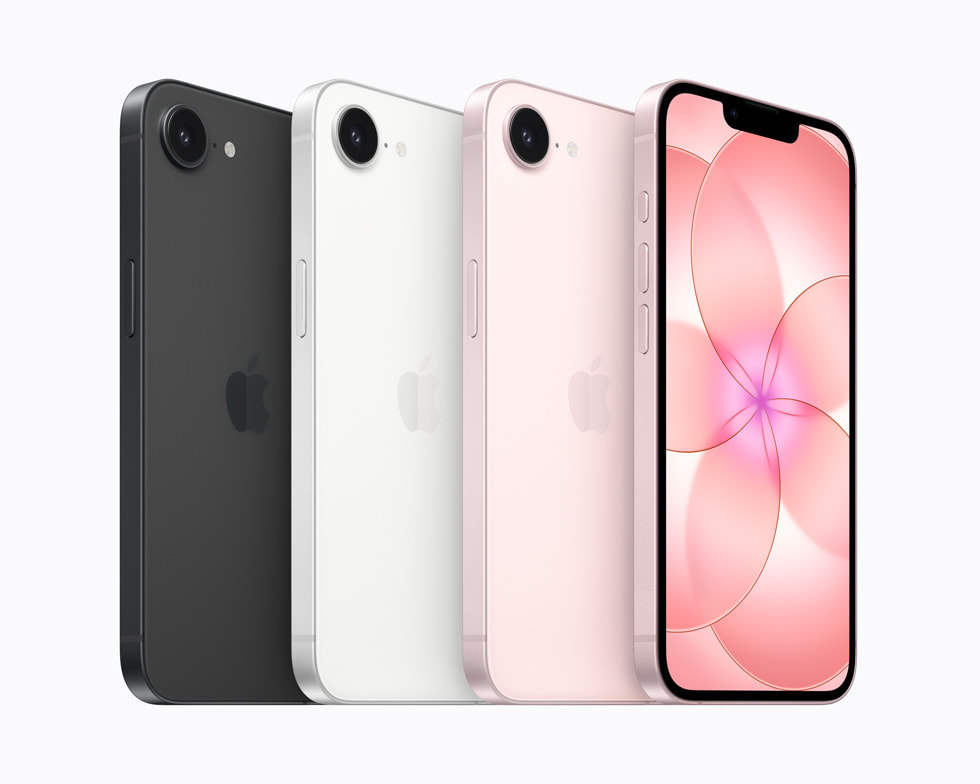
Apple has promised a “big week” for the company, which includes an in-person event for press and creators on March 4. But it didn’t exactly wait until Wednesday to get things started. The news started on Monday with the announcements of the iPhone 17e and M4-powered iPad Air.
We’ll be updating this roundup throughout the week as we learn exactly what Apple has in store for everyone (though we have a decent idea of what to expect, such as new MacBooks). For now, though, here’s our recap of everything Apple announced on Monday:
iPhone 17e
Apple has spruced up this year’s entry-level iPhone with some pretty solid upgrades, though it's keeping the starting price at $599. The iPhone 17e has double the base storage of the iPhone 16e at 256GB. It also has MagSafe support with Qi2 wireless charging speeds of up to 15W, double that of the iPhone 16e.
Design-wise, Apple hasn't exactly rocked the boat. The iPhone 17e looks pretty much identical to its predecessor. It appears that Apple is sticking with the same 48MP Fusion camera system as it used in the iPhone 16e too.
That said, the 6.1-inch Super Retina display has Ceramic Shield 2. According to Apple, this provides “3x better scratch resistance than the previous generation and reduced glare.” The company slotted its C1X cellular modem into the iPhone 17e as well. It says this is up to two times faster than the C1 that was in the iPhone 16e. The device has the same A19 chip as the iPhone 17, so it supports Apple Intelligence AI tools, and it runs iOS 26.
In addition, the iPhone 17e has an IP68 rating for water and dust resistance, as well as the promise of "all-day battery life." It also supports satellite-powered features including Emergency SOS, Roadside Assistance, Messages and Find My.
Pre-orders for the iPhone 17e open on March 4 and it will be available in black, white and soft pink. The device will hit shelves in more than 70 countries and regions on March 11.
iPad Air M4
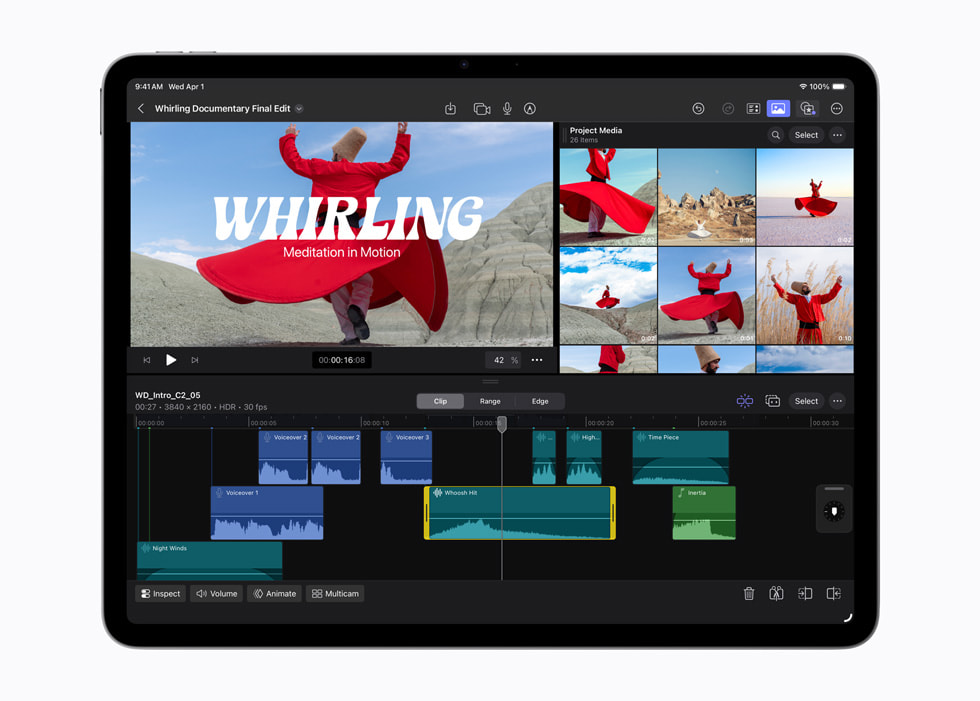
The latest iPad Air boasts Apple’s M4 chip. That means the mid-range iPad is effectively remaining a year behind the iPad Pro. The M4 is almost two years old at this point, while the top-end model has the newer M5 chip. Still, if you only use an iPad for casual tasks like watching shows, web browsing, email and so on, the M4 will be more than powerful enough. It will be more adept at handling resource-intensive tasks like video editing than previous iPad Air models too.
Apple has also bumped up the RAM from 8GB from the last-gen model to 12GB. Given the sharp increase in RAM prices in recent months, it’s slightly surprising that Apple is sticking to the same prices for the iPad Air. The 11-inch M4 iPad Air starts at $599 while the 13-inch version starts at $799, each with 128GB of storage. There's a $50 discount for those buying it for educational use.
Apple claims the M4 delivers up to 2.3 times faster performance compared with the M1 iPad Air and "over 4x faster 3D pro rendering with ray tracing performance." Of course, the new iPad Air runs iPadOS 26.
Apple gave the iPad Air other internal upgrades by including its N1 and C1X connectivity chips. As such, this is the first iPad Air with Wi-Fi 7 support. As you might expect, 5G cellular connectivity is available as well.
The design of the M4 iPad Air doesn't seem to have changed, as it appears to have the same LCD display Apple used in the last two iterations of the tablet. The company has stuck with the same rear-facing camera and dual-speaker setup as well.
As with the iPhone 17e, pre-orders for the M4 iPad Air open on March 4. The tablet will hit retailers in 35 countries and regions on March 11. It will be available in blue, purple, starlight and space gray.
This article originally appeared on Engadget at https://www.engadget.com/computing/laptops/everything-apple-announced-today-iphone-17e-and-m4-ipad-air-155617174.html?src=rss
Anthropic's Claude can now absorb your past conversations with other AI chatbots
2 Mar 2026, 3:32 pm by Jackson Chen
Anthropic has made switching to its Claude AI chatbot easier than ever. The company announced a new memory import tool that can extract all of a competing AI chatbot's memories and context of you into a text prompt that can be fed into Claude.
With Anthropic's prompt, you can then copy and paste the output into Claude's memories, and the AI chatbot will pick up where you left off with another AI chatbot, whether it's ChatGPT, Gemini or Copilot. Anthropic said it'll take about 24 hours for Claude to assimilate the new context, but you'll be able to see the change by clicking on the "See what Claude learned about you" button. Claude users can even tweak what the AI chatbot remembers in the "Manage memory" section in the app's settings. Anthropic pointed out that Claude is meant to focus on "work-related topics to enhance its effectiveness as a collaborator," adding that it might not remember personal details that are unrelated to work.
Anthropic's timing doesn't seem to be just a coincidence. Claude recently jumped to the number one spot in the App Store's free apps charts, dethroning ChatGPT in the process. The rise in popularity likely stems from its recent dispute with the Department of Defense, where Anthropic refused to budge on AI guardrails related to mass domestic surveillance and fully autonomous weapons. On the other hand, OpenAI will be taking Anthropic's vacated role with the Department of Defense, leading to a trend of users boycotting ChatGPT and canceling their subscriptions.
This article originally appeared on Engadget at https://www.engadget.com/ai/anthropics-claude-can-now-absorb-your-past-conversations-with-other-ai-chatbots-153201656.html?src=rss
What to expect at Apple's product launch event on March 4
2 Mar 2026, 2:45 pm by Lawrence Bonk
Apple has scheduled a product launch event, dubbed an "Apple Experience", for March 4 at 9AM ET. The company is reportedly holding this event in NYC, London and Shanghai.
Everyone loves shiny new products, so what can we expect to see at Apple's first launch event of 2026? We don't know anything for certain, but we have plenty of educated guesses that have been sourced from industry reports and speculation from analysts.
Editor's Note (on March 2 at 9:45AM ET): Apple has officially announced the iPhone 17e and iPad Air (M4). It's expected to continue to unveil new hardware in the following days, per the rest of this article.
Budget-friendly MacBook
There have been rumors swirling that Apple is preparing to launch a cheaper alternative to the MacBook Air. Bloomberg reported on this all the way back in November. Industry rumors indicate that Apple will be stuffing this laptop with an iPhone processor, the A18 Pro, to keep the price down.
Worth pointing out the three colors from the invite are light green, blue and yellow — which just so happen to be the colors Apple has tested the low-cost MacBook with, as I wrote yesterday. Coincidence? We shall see. https://t.co/1FFVkfw9JZ pic.twitter.com/ssKDDzdJsw
— Mark Gurman (@markgurman) February 16, 2026
It's also been suggested that this laptop will only include 8GB of RAM, which kind of flies against the company's recent stance to outfit all Macs with at least 16GB of RAM. However, that would certainly help with the cost. You might have heard about a little thing called AI that chomp chomps on all RAM it can find.
TechRadar has reported that this could be Apple's biggest laptop launch in years, with potential initial shipments hitting 8 million units. The price is likely to be somewhere in the $699 to $799 range, which is pretty nifty. However, I'd still go for an Air at $999. They are absolute workhorses.
MacBook Pro with M5 Pro and Max chips
It's likely that Apple will release more powerful MacBook Pro models this year and the timing seems to match up. Bloomberg's Mark Gurman has suggested a March launch and the event is on March 4.
The company has already released a MacBook Pro with an M5 chip, but both the M5 Pro and Max are likely on the horizon. We could be getting new laptops outfitted with these chips in various display sizes.
There have also been reports that both of the higher-end M5 chips are getting a redesign to help improve heat dissipation and reduce defective chip rates. Additionally, the new chiplet design would allow the M5 Pro and Max to raise the total number of CPU and GPU cores. The Max is expected to have more cores than the Pro.
This idea is helped along by the fact that MacBook Pro M4 Max orders are currently delayed. This is typically the case with an outgoing model as stock dries up to make room for new releases. Also, the Pro and Max variants typically get announced in the Fall, so we are due.
New iPads
Rumors have been circulating that we are about to get new iPads, including an update to the base model and the Air. The standard model, which would be the 12th-gen release, is expected to upgrade the A16 chip to an A18. This should also allow for the integration of Apple Intelligence tools, if that's your bag.
As for that iPad Air, rumors suggest an upgrade to the M4 chip from the M3. An extremely light tablet with an M4 would be fairly notable in my estimation, as only the newest iPad Pro has that chip.
iPhone 17e
It was almost exactly a year ago that Apple announced the iPhone 16e, so you know what that means. It's time for a refresh. Recent reports have suggested that an announcement regarding the iPhone 17e is imminent, so this launch event seems like as good a place as any to reveal the latest "budget-friendly" smartphone.
As for specs, Mark Gurman has suggested that it'll be getting an upgrade to the A19 chip, which is nice. Also, it could be getting MagSafe support. That sounds like an iterative upgrade, but the price is expected to remain steady at $599.
Other Possibilities
The following stuff is less likely, though certainly possible. There have been rumors that Apple is currently preparing a revamped Studio Display and Mac Studio desktop. The reports suggest a release sometime in the first half of the year, and March is right in the middle of that timeframe.
It's also possible that the company will reveal an upgrade to the MacBook Air with the M5 chip. Reports indicate that this is unlikely to happen during this event, but it is worth noting that the M4 Air came out in March of last year. In other words, it's a toss up.
The inclusion of Shanghai essentially rules out Siri, as expected, given the delays. https://t.co/mgNLR4qCYy
— Mark Gurman (@markgurman) February 16, 2026
What's not a toss up? You shouldn't expect anything regarding the long-anticipated Siri refresh. This looks to be a hardware event, so any software updates will likely have to wait until WWDC this summer. In any event, Engadget will be on hand to report on all of Apple's new products.
Update, March 2 2026, 9:45AM ET: This story has been updated to add an Editor's Note with the latest news from Apple this week.
This article originally appeared on Engadget at https://www.engadget.com/computing/what-to-expect-at-apples-product-launch-event-on-march-4-173612816.html?src=rss
The Samsung Wallet can now hold your house keys
2 Mar 2026, 2:29 pm by Sarah Fielding
Samsung's newest feature turns your phone into your house keys. The company has created the Digital Home Key, a feature inside of the Samsung Wallet that should let you unlock any compatible smart door with your phone. The Samsung Wallet already offered digital car keys.
"As we continue to evolve Samsung Wallet, delivering trusted mobile experiences remains at the core of our innovation," Woncheol Chai, EVP and head of Digital Wallet Team, Mobile eXperience (MX) Business at Samsung Electronics, said in a statement. "Through close collaboration with our partners and in alignment with the Aliro standard, Digital Home Key brings the same level of security and ease Samsung Galaxy users expect from Samsung Wallet to their homes."
Created by the Connectivity Standards Alliance (CSA), Samsung calls Aliro an "industry-standardized communication protocol." The Digital Home Key will also get support from smart lock brands like Nuki and Schlage. It's also designed to meet EAL6+ security certification.
According to Samsung, you'll also need biometrics or a PIN to use the Digital Home Key. You should be able to remotely manage or remove the tool through Samsung Find if you lose your phone.
Samsung is rolling out the Digital Home Key in select regions starting this month. It plans to expand its range as compatible smart lock brands become available in more locations.
This article originally appeared on Engadget at https://www.engadget.com/home/smart-home/the-samsung-wallet-can-now-hold-your-house-keys-142944132.html?src=rss
Apple introduces the $599 iPhone 17e with MagSafe and twice the storage
2 Mar 2026, 2:22 pm by Anna Washenko,Cherlynn Low
Apple has just announced the addition of the iPhone 17e to its smartphone lineup. This model is kitted with the same A19 chip that powers the base iPhone 17, and it will support the Apple Intelligence suite of AI tools. As the rumors suggested, the iPhone 17e will indeed be priced at $599, same as last year’s iPhone 16e. The base model will come with 256GB of storage, and also be available in a new pink color.
The iPhone 16e was missing a few elements that are now being added to the 17e, most notably MagSafe charging at Qi2 speeds. This means it can charge wirelessly at 15W compared to the 7.5W on last year’s model.
Apple also gave the iPhone 17e its C1X cellular modem, which it said is “up to 2x faster than C1 in iPhone 16e.” This year’s entry-level iPhone also has Ceramic Shield 2 on its 6.1-inch Super Retina display, which Apple says offers “3x better scratch resistance than the previous generation and reduced glare.”
Most of the other specs appear similar to the iPhone 16e, including the 48-megapixel Fusion camera that uses one single hardware sensor to provide two dedicated camera pipelines. It’s not yet clear whether there are specific changes here, but to use Apple’s words in its press release, “[The Fusion camera] also enables an optical-quality 2x Telephoto — like having two cameras in one.”
The iPhone 17e is rated IP68 for dust and water resistance, and will also support Emergency SOS, Roadside Assistance, Messages and Find My via satellite. From the outside, the device looks very similar to its predecessor, with the same shape, notch and buttons as before. We’ll of course have to wait for a review unit and more information to know for sure, but Apple continues to state that the iPhone 17e delivers “all-day battery life,” though adding this time it’s aided by the C1X modem “and the advanced power management of iOS 26.”
Apple unveiled most of its iPhone 17 roster back in September, but its budget models usually are introduced a few months later. We're also still waiting on the official news of what’s colloquially being calling the iPhone Fold, which is rumored to arrive in the back half of this year.
The iPhone 17e will be available for pre-order on March 4, and will start arriving in stores on March 11.
This article originally appeared on Engadget at https://www.engadget.com/mobile/smartphones/apple-introduces-the-599-iphone-17e-with-magsafe-and-twice-the-storage-140612085.html?src=rss
Apple updates the iPad Air with an M4 chip
2 Mar 2026, 2:19 pm by Nathan Ingraham
Apple is kicking off multiple days of product announcements this morning with a new iPad Air. Unsurprisingly, it’s more or less like the iPad Air Apple announced one year ago, except it now has an M4 chip instead of last year’s M3.
Apple is also including its in-house networking chips, the N1 and C1X, which will cover Wi-Fi, Bluetooth, Thread and cellular connectivity. This means the iPad Air supports the Wi-Fi 7 standard for the first time. The Air also now has 12GB of RAM standard, up from 8GB in the prior model.
The rest of the iPad Air appears unchanged at this point. It has the same display that the 2023 and 2024 models sported — either an 11- or 13-inch LCD that tops out at 500 nits of brightness and a 60Hz refresh rate. Storage options start at 128GB and go up to 1TB, same as last year. The dual stereo speaker configuration and both front- and rear-facing cameras are unchanged, as well.
For those keeping track, it’s been less than two years since Apple redesigned the iPad Air, adding a 13-inch model that had an M2 chip. I remain surprised the company is committed to releasing chip updates for the Air so frequently — even the M2 model is more than powerful enough for the target audience. But, getting a faster chip for the same money is hard to complain about.
Naturally, the iPad Air M4 is running iPadOS 26, which was released last fall. It was, without a doubt, the biggest iPadOS update we’ve seen, bringing a far more robust multitasking system than the iPad has ever had before. It’s most noticeable and useful on the larger 13-inch screen, but having greater freedom with window management and more robust background tasks is a huge step forward — even if the Liquid Glass visual redesign is a bit divisive.
Pre-orders for the new iPad Air M4 open on Wednesday, March 4, and the tablet will be fully available on March 11. As before, pricing starts at $599 for the 11-inch model and $799 for a 13-inch display.
This article originally appeared on Engadget at https://www.engadget.com/mobile/tablets/apple-updates-the-ipad-air-with-an-m4-chip-141117569.html?src=rss
At MWC, Tecno’s super-thin modular concept phone doesn't even have a wired charging port
2 Mar 2026, 12:31 pm by Mat Smith
On its own, at 4.9mm thin, Tecno's modular phone concept barely feels like a smartphone. It has a screen, a basic camera module, four low-profile pogo-pin connectors and that's about it. From there, you can seemingly build your conceptual phone however you want.
At its booth at MWC 2026, Tecno had two families of modular components in two different colorways, which is surprising at this concept stage. The chunky telephoto lens and housing must weigh over three times as much as the base phone, adding up to 20x zoom capabilities, even if it was a little glitchy during my hands-on. The barrel also offers manual focus, which is always a nice touch. The lens itself is huge, though, making even Vivo's latest 400mm telephoto lens peripheral look reasonable by comparison.
There are more subtle camera modules, including ultrawide options and a more streamlined periscope telephoto. There's even an action cam that can attach through Wi-Fi and be used on its own. Depending on the module, transmission is also done through Bluetooth and even mmWave. One module has an antenna that folds out, turning the phone into a walkie-talkie messenger… thing that can communicate without cell service or Wi-Fi. There were also lanyard connectors, grip clips, and several that I may have forgotten. Sadly, the game controller mod wasn't on the stand, though I'm not sure how you'd use it blindly on the back.
It's a lot of fun to swap out and even stack the modules, most of which were functionally working. There are plenty of questions left to answer, and I'm concerned about how rigid the magnetic connection would be when pulling this kind of phone out of your pocket repeatedly. Also, who's going to carry around an attaché case filled with all these things?
Naturally, due to its thickness, the phone has a tiny battery cell (I don't know the capacity), but you can add 3,000mAh battery packs to the back. And another. And even another, topping out at around 10,000mAh, beating the capacity of most mainstream smartphones. It was only then that I realized it lacked any traditional USB-C charging port. Instead, a charging module can be attached to either of the two pairs of connectors. (And you can add further modules on top of that.)
Tecno often has thrilling concepts and one-off devices at trade shows, so we can't vouch that this will eventually make its way to consumers. Modular phones are a tricky sell, as they can often lose the efficiencies that come from unified components. Google ended its Project Ara modular concept over 10 years ago, while Motorola's Moto Mods just weren't very good and even I struggle to remember LG's G5 modules.
Adding to that, the company also rarely sells its phones in Western Europe and the US. Judging by the moves being made by other Chinese phone manufacturers in the last year, that could change.
This article originally appeared on Engadget at https://www.engadget.com/mobile/smartphones/at-mwc-tecnos-super-thin-modular-concept-phone-doesnt-even-have-a-wired-charging-port-123129135.html?src=rss
Vivo's X300 Ultra goes global and gets a huge 400mm Zeiss telephoto lens
2 Mar 2026, 12:10 pm by Steve Dent,Mat Smith
Vivo barely has a presence outside of China but that seems to be changing with the company's next flagship phone. At Mobile World Conference 2026, the company unveiled the X300 Ultra smartphone that comes with a 200MP telephoto sensor, along with multiple accessories designed for pro photographers and content creators, including a SmallRig video cage and 400mm Zeiss telephoto extender lens.
Vivo didn't go into detail about the phone's specs, but you can likely expect a high-end processor, screen, battery and other internal components when it's fully unveiled later on. Vivo did say that like the X300 Pro, the X300 Ultra will have an impressive 200MP telephoto sensor, and is likely to offer features like 4K 120fps Dolby Vision HDR recording. Vivo's Daniel Goetz said it couldn't yet reveal the specs for its primary camera sensor — which will likely be deeply involved with the new device's push into video.
Another thing Vivo revealed is that you'll be able to get the Vivo X300 Ultra with a 400mm equivalent lens accessory called the Vivo Zeiss Telephoto Extender Gen 2 Ultra. That will allow about an 8x zoom compared to the native field-of-view, plus much more when combined with the high-quality digital zoom. It will also offer "gimbal-grade" optical image stabilization and motion-tracking focus technology, Vivo says.
The device's camera mount is part of an ecosystem that remains consistent with the X200 Pro, so the camera automatically reads the connected lens. This means the first-gen telephoto extender will also work with Vivo's newest flagship. The large 1/1.4-inch telephoto sensor and high megapixel count allow shooting up to 30x zoom (roughly 800mm) while retaining high levels of detail, according to Vivo.
Along with the lens, Vivo is introducing a "pro-grade camera cage" designed by the well-known accessory company SmallRig. It's expandable and offers multiple cold shoe mounts and quick-release ports so you can easily add things like handles, lights and microphones. It also comes with dedicated physical buttons for tactile shutter and zoom adjustment, plus a multi-level piezo cooling fan to keep the phone running cool. You also get an "External Lens Expansion Frame" to accommodate the X300 Ultra Telephoto Extender. Other SmallRig collaborations include Bluetooth connected gri controllers, which you can see above, mounted on the X300 Pro.
During a brief teaser presentation, we learned a few more details. The telephoto camera will include three degrees of optical image stabilization, and you'll be able to shoot video in Log with your favorite LUT active in the X300 Ultra's preview view. The video you record, however, will still be an unedited Log file. Color grading will also be available inside the device.
For videographers, it will also natively support ACES (Academy Color Science), making it easier to fit into professional workflows in DaVinci Resolve or Final Cut Pro without requiring specific color conversion.
Vivo showed off the phone at MWC 2026 in Barcelona to a fair amount of enthusiasm. The company emphasized that the X300 Ultra will be the first device in the series to reach international markets, including all European regions in which it already does business. It didn't specify the price. The X300 Pro costs about €1,400 in Europe. Availability in the US is still TBC.
The move, Vivo said, "signals Vivo's more proactive and confident approach to expanding its presence in the global premium smartphone segment." Given the likely price, though, it's debatable if pro creators will want to buy this instead of, say, a pretty nice mirrorless camera and lens.
This article originally appeared on Engadget at https://www.engadget.com/mobile/smartphones/vivos-x300-ultra-goes-global-and-gets-a-huge-400mm-zeiss-telephoto-lens-105058478.html?src=rss
Sony faces a $2.7 billion antitrust lawsuit in the UK
2 Mar 2026, 11:41 am by Sarah Fielding
Another major antitrust lawsuit has launched in the UK. This time its against Sony, which could be on the hook for almost £2 billion ($2.7 billion) for overcharging PlayStation users.
A class action case for about 12.2 million users argues that Sony "occupies a dominant position in relation to the digital distribution of PlayStation games and in-game content and that it has been unfairly charging its UK customers too much for digital games and in-game content purchased through the PlayStation Store."
It argues that Sony "has a near monopoly" on add-on content and digital games through the PlayStation store, allowing it to set the prices and take a 30 percent commission.
The class action encompasses anyone in the UK who owned a PlayStation console and purchased digital games or made in-game purchases through the PlayStation store between August 19, 2016 and February 12, 2026. It's being run as an opt-out lawsuit, so anyone meeting the criteria can qualify without taking any action. If the lawsuit is successful then each person could receive about £162 ($217).
Sony has argued that allowing downloads from third-party stores could bring security and privacy risks, according to the Financial Times. It further states that the digital sales commission makes up profits lost for selling their consoles with minimal profit.
This lawsuit follows the success of a similar class action decided in October. The UK's Competition Appeal Tribunal found that Apple had been abusing its dominant market position and overcharging App Store users. In December, Apple filed an appeal against the £1.5 billion ($2 billion) fine.
This article originally appeared on Engadget at https://www.engadget.com/big-tech/sony-faces-a-27-billion-antitrust-lawsuit-in-the-uk-114113889.html?src=rss
The best Xbox Series X and Series S accessories for 2026
2 Mar 2026, 10:00 am by Devindra Hardawar
The Xbox Series X and Series S are built for fast load times, smooth performance and expansive game libraries, but the right accessories can make a noticeable difference in how you play day to day. From storage solutions that help you manage growing installs to headsets that make it easier to catch subtle audio cues, the best Xbox accessories are about removing friction and improving comfort as much as boosting immersion.
Whether you’re setting up a new console or refining an existing setup, there’s a wide range of add-ons worth considering. Many accessories designed for previous Xbox generations still work with Microsoft’s current hardware, which makes it easier to upgrade gradually rather than all at once. We’ve tested and selected the best Xbox Series X and Series S accessories to help you get more out of your console, no matter how or where you play.
Best Xbox accessories for 2026
This article originally appeared on Engadget at https://www.engadget.com/gaming/xbox/best-xbox-series-x-series-s-accessories-140035165.html?src=rss
Everything announced at MWC 2026: Lenovo's wild foldable gaming handheld, Honor's Robot Phone, and more
2 Mar 2026, 10:00 am by Cheyenne MacDonald
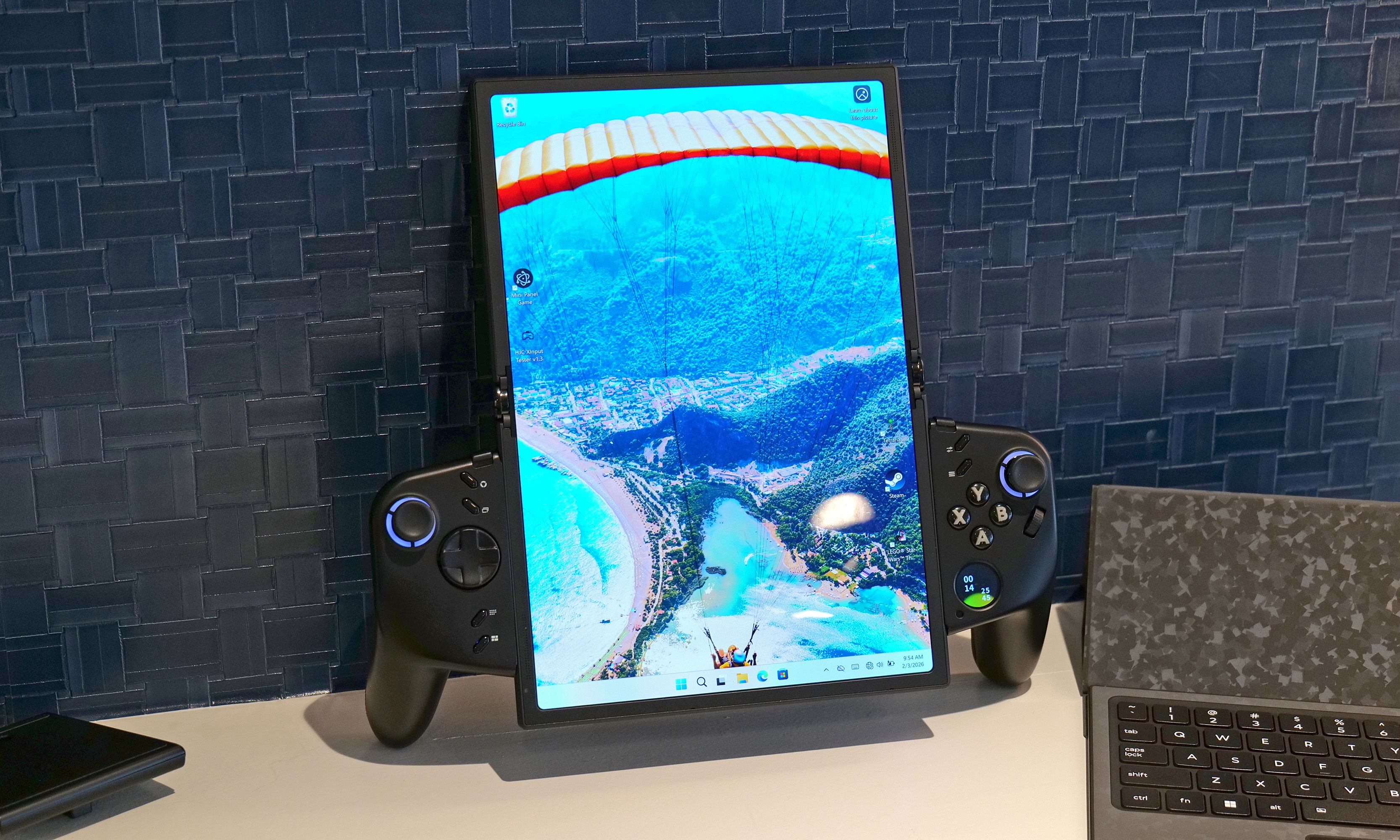
MWC 2026 kicks off today, running from March 2 through March 5, but announcements were pouring in all weekend in the lead-up to its official start. We can always count on the annual tech event to bring tons of new phones, laptops and tablets, and we're expecting to see some robots and other gadgets too — plus plenty of AI news, of course. In addition to the announcements, MWC is our chance to get hands-on time with some of the most interesting new devices, like the Xiaomi 17 Ultra and Honor's Robot Phone, and concepts like the Legion Go Fold.
Engadget’s Mat Smith is on the ground in Barcelona, and we'll be updating this story as the week goes on to keep you in the loop on everything that caught our attention. Keep checking back here for the latest MWC news.
Lenovo
Lenovo pulled up to MWC with a bunch of new products and concepts, but if there's one thing everyone's going to be talking about, it's the Legion Go Fold. (Check out Sam Rutherford's coverage of the Legion Go Fold here). In short, the Legion Go Fold is a concept foldable gaming handheld with a flexible display that can unfurl to a massive 11.6 inches. Or, it can be folded in half to become a 7.7-inch display. It has detachable controllers, and there are multiple mounting points along the tablet so you can switch things up between landscape and portrait mode. The left and right gamepads can also be combined into one controller with an accessory, and the display can be propped up kickstand-style with the folio cover.
You think we're done here? We're not. The Legion Go Fold can go laptop mode too, with a strip of pogo pins where a wireless keyboard can be connected. Its right gamepad can serve as a mouse, thanks to the inclusion of a little scroll wheel and a hidden sensor. That gamepad also features a tiny circular OLED display below the buttons, which can both show widgets such as the time and be used as a touchpad.
It is a concept, though, so don't get your hopes up too much about this one going into production. And if it does ever become a real, buyable product, it'll no doubt be expensive.
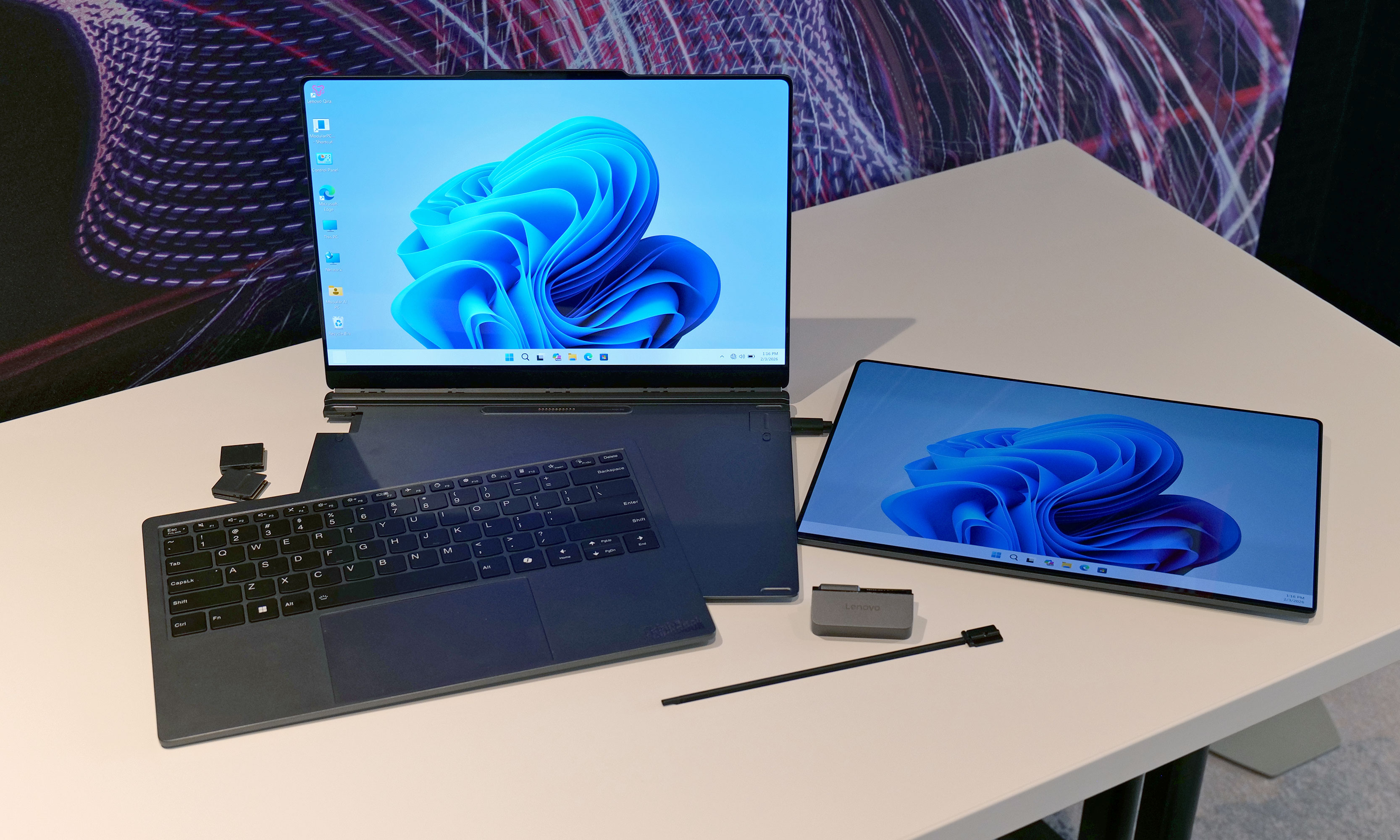
Lenovo also announced its Modular AI PC concept — a laptop with two displays and a detachable keyboard. As Sam Rutherford, who got a chance to check it out in person, explained, "This allows you to move its keyboard and secondary display around at will, so the system can better adjust to its environment or workload." Perhaps even more exciting is that it has hot swappable ports. Lenovo demonstrated it with USB-C, USB-A and HDMI connectors, but said others could be possible too.
Still, while everything looked pretty polished in the demo, Lenovo says this one will remain a concept.
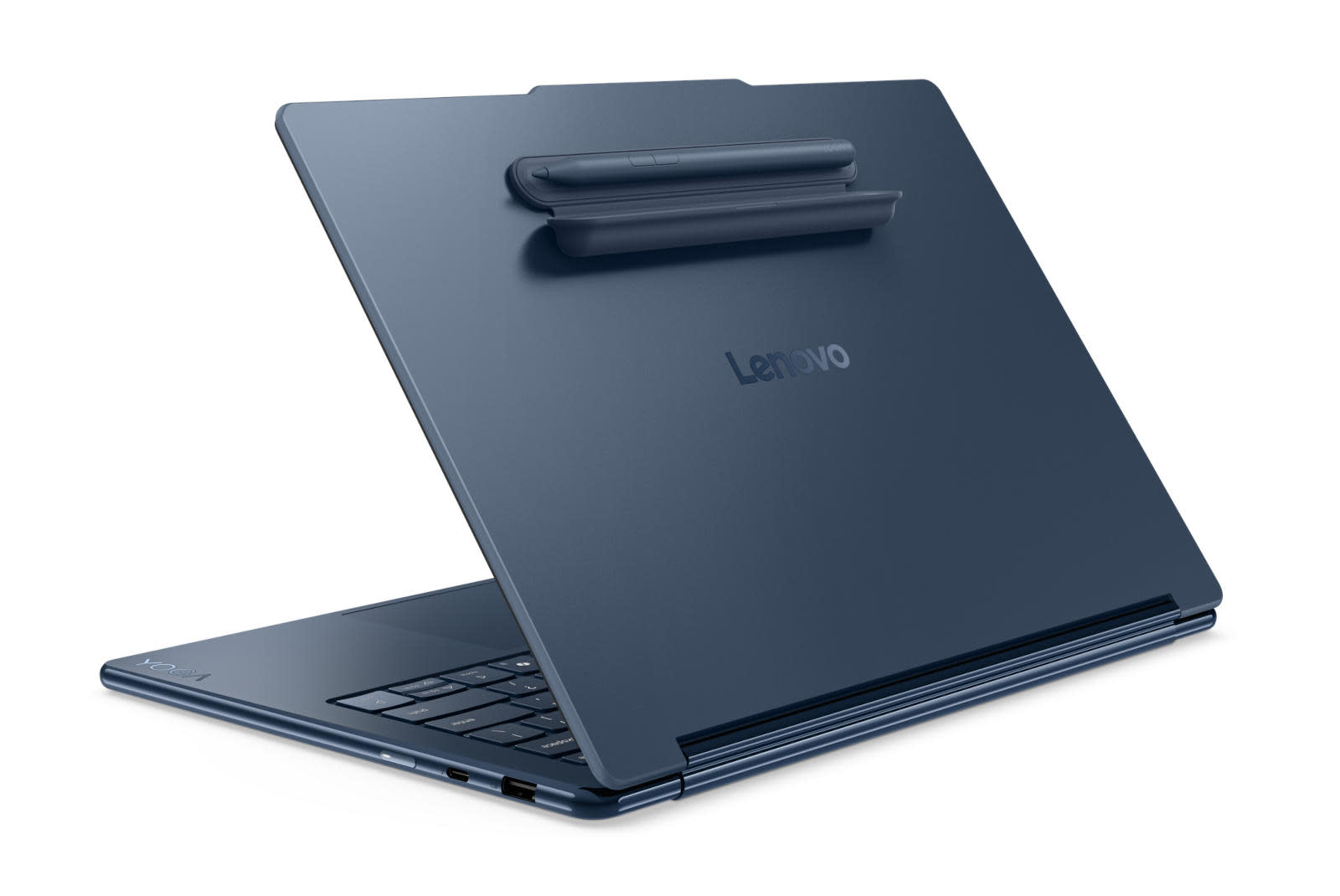
It hasn't all been concepts at MWC. Lenovo also refreshed some of its existing tablet and laptop lineups for 2026. The company introduced the Yoga 9i 2-in-1 Aura Edition Gen 11 (with the new Canvas Mode configuration), starting at $1,949, and the new 15.3-inch Yoga Pro 7a, which starts at $2,099. It's updated its more affordable IdeaPad Slim 5i Ultra laptop ($799) as well. All of those new laptops come with Copilot+ features. For students, Lenovo is launching the 13-inch Idea Tab Pro Gen 2, starting at $419, with its Quira AI assistant and AI tools. You can find all the specs and release dates for those here.
Upgrades are here for Lenovo's ThinkPads too, along with the Yoga-like ThinkBook 2-in-1. And, Lenovo announced a $499 industrial tablet, the ThinkPad X11.
Lenovo's 8.8-inch gaming tablet is getting a spec boost with the latest version announced at MWC 2026, the $849 Legion Tab Gen 5. The tablet has a Snapdragon 8 Gen 5 chipset, 16GB of RAM and up to 512GB storage. It also has a 9,000mAh battery to support longer gaming sessions, and two USB-C ports. The Legion Tab Gen 5 comes in three colors: Eclipse Black, Glacier White and the lime-green Surge. It launches in May. That'll be followed shortly after in July by the launch of the new 15-inch Legion 7a Gen 11 gaming laptop, starting at $2,299.
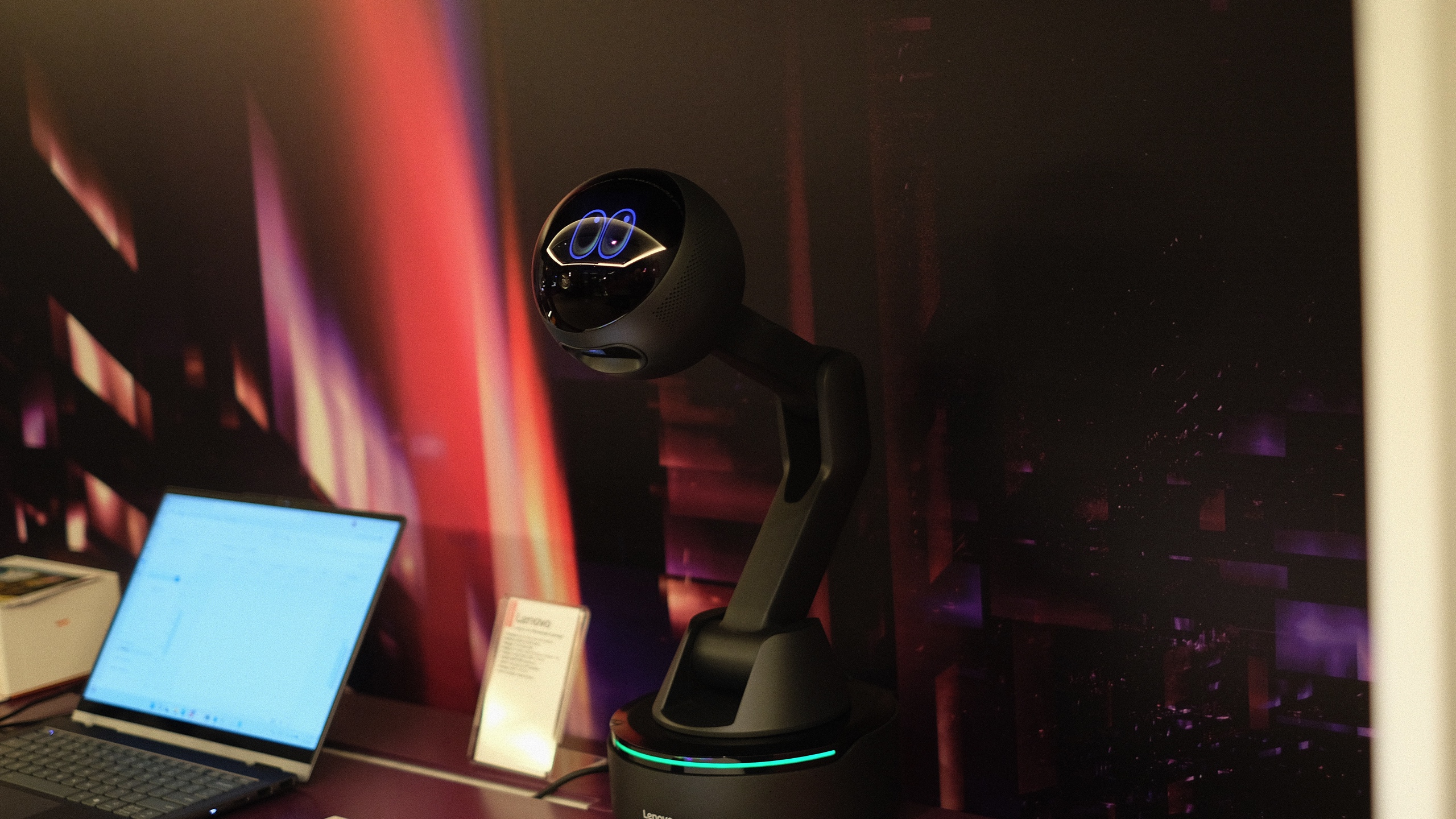
And we're back to the concepts. Lenovo showed off two work-oriented AI devices: the AI Workmate Concept, a desktop robot, and the AI Work Companion Concept, a clock/display that can sync tasks across devices and organize them into a daily plan. The robot has a cute little face, and its head doubles as a projector that can display images and documents on nearby surfaces.
Honor
Honor teased its Robot Phone this past fall and we just finally got a proper look at it at MWC. And it's pretty freakin' cute. The phone is equipped with a camera that's mounted on a highly mobile 4-degrees-of-freedom gimbal, which tucks away into a compartment on the back when it's not in use (making for a pretty beefy camera bump). In a demo at MWC, the camera, which behaves like a little robot head, bobbed along to music and showed off some of its gesture skills, like cocking its “head” and nodding in agreement.
Honor didn't reveal too much spec-wise, but the company says the primary camera uses a 200-megapixel sensor. The gimbal will offer three-axis stabilization, which will be coupled with camera modes such as Super Steady Video and AI Object Tracking. The Robot Phone isn't quite ready for release at the moment, but the company says it will launch later this year.
Be sure to check out Mat Smith's writeup on the Robot Phone for a more in-depth look.

It's not a humanoid robot reveal without some backflips and a choreographed dance performance. Honor introduced its robot at MWC with all the spectacle we've come to expect (though the bot didn't do any talking). It’s simply called the Honor Robot, and the company has plans for it to be used in both industrial and domestic settings.
The Robot Phone isn't the only phone Honor showed off at MWC. The company also announced its Magic V6 smartphone, which it says is the thinnest phone in its category, measuring 8.75mm folded and 4.0mm open in the white colorway. The other three colors — black, gold and red — are slightly thicker, at 9mm folded and 4.1mm open.
Not too much has changed from the V5, though, which only came out in August 2025. It does however have the Snapdragon 8 Elite Gen 5, with 16GB RAM and 512 GB storage. As for the cameras, there are two 50-megapixel lenses and a 64-megapixel telephoto, plus a 20-megapixel f/2.2 selfie lens on the cover and internal display.
The international version of the Magic V6 will have a 6,660mAh battery with 25 percent silicon content, while the version sold only in China will boast a battery with a rated capacity of more than 7,000mAh and 32 percent silicon content. Honor hasn't yet shared details about pricing and availability.
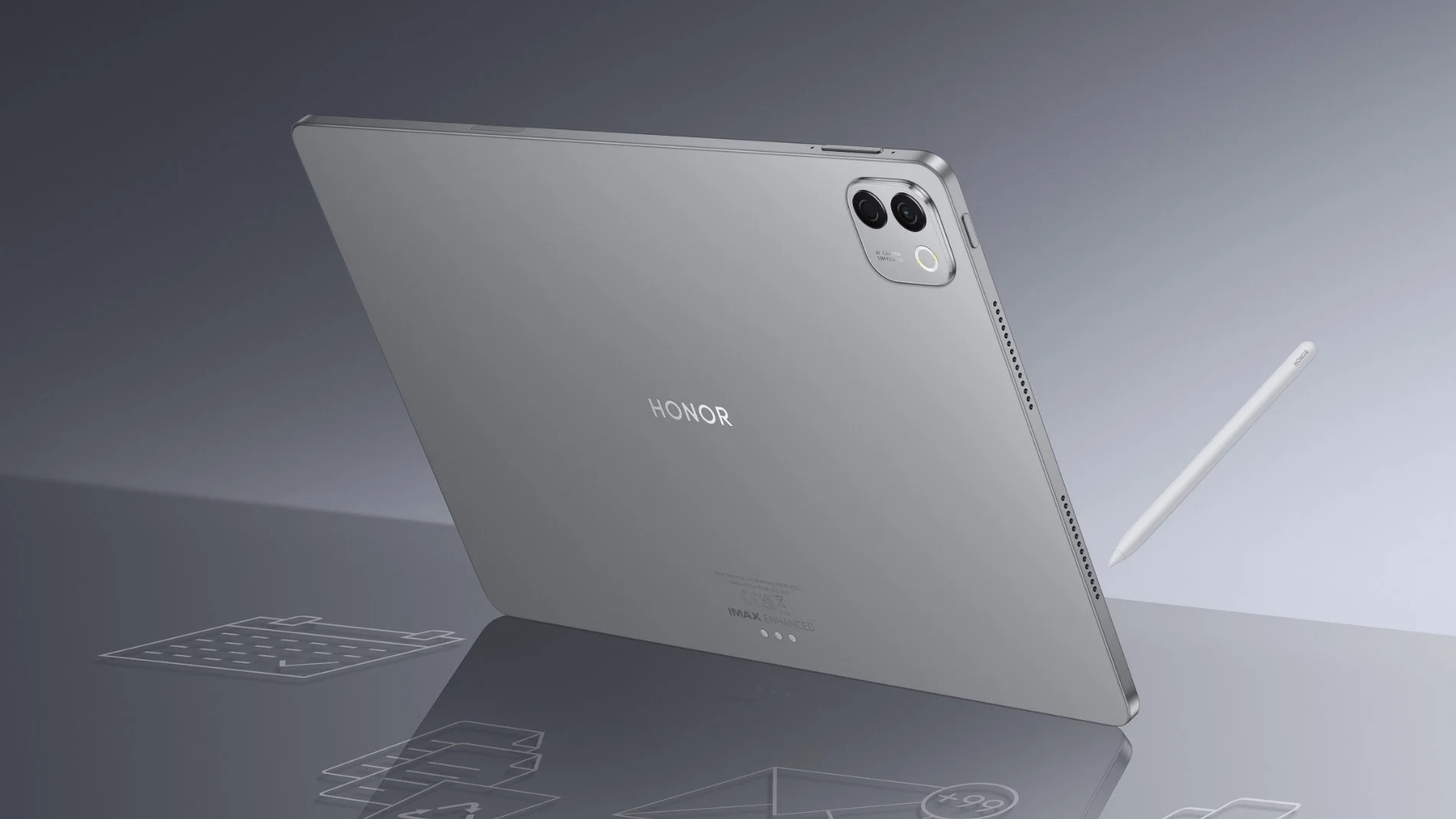
Ahead of MWC, Honor also announced what it claims is the thinnest Android tablet in the world: the 4.8mm thick MagicPad 4. We're expecting to hear more about this at Honor's press conference on Sunday, but so far we know it features a 12.3-inch 165Hz OLED display and weighs just 450g. It comes with up to 16GB of RAM and 512GB of storage, and is powered by Qualcomm's Snapdragon 8 Gen 5 chipset. The thinness doesn't count the camera bump, Honor notes. The MagicPad 4 has 13MP rear and 9MP front cameras. It also boasts spatial audio, with eight speakers.
Just as the display is slightly smaller than the previous MagicPad, the MagicPad 4 has a smaller battery at 10,100 mAh. It comes with a 66W fast charger. The MagicPad 4 will run Honor's MagicOS 10. We don't yet know how much it will cost, but we'll update this after Honor's press conference (where we're also expecting to see the company's robot) with any new details.
Xiaomi x Leica
Xiaomi kicked off MWC this year by announcing the global launch of its 17 Ultra smartphone, which debuted first in China back in December. It's unclear if the phone will ever come to the US, but it's now rolling out in Europe. Xiaomi teamed up again with Leica to make a photography-focused smartphone, and the 17 Ultra sports a 1-inch 50-megapixel camera sensor with a f/1.67 lens, a telephoto setup with a 200MP 1/1.4-inch sensor, and a 50MP ultrawide camera. There's also a manual zoom ring around the camera.
Check out our hands on for our first impressions of what it's like shooting with the Xiaomi 17 Ultra. And there's more to it than just the camera. The 17 Ultra has a 6.9-inch OLED 120 Hz display that peaks at 3,500 nits of brightness, and a 6,000mAh silicon-carbon battery. The Xiaomi 17 Ultra starts at £1,299 (roughly $1,750).
Leica also announced a new phone made in partnership with Xiaomi at MWC. It looks a whole lot like Xiaomi's 17 Ultra, but isn't the 17 Ultra, exactly.
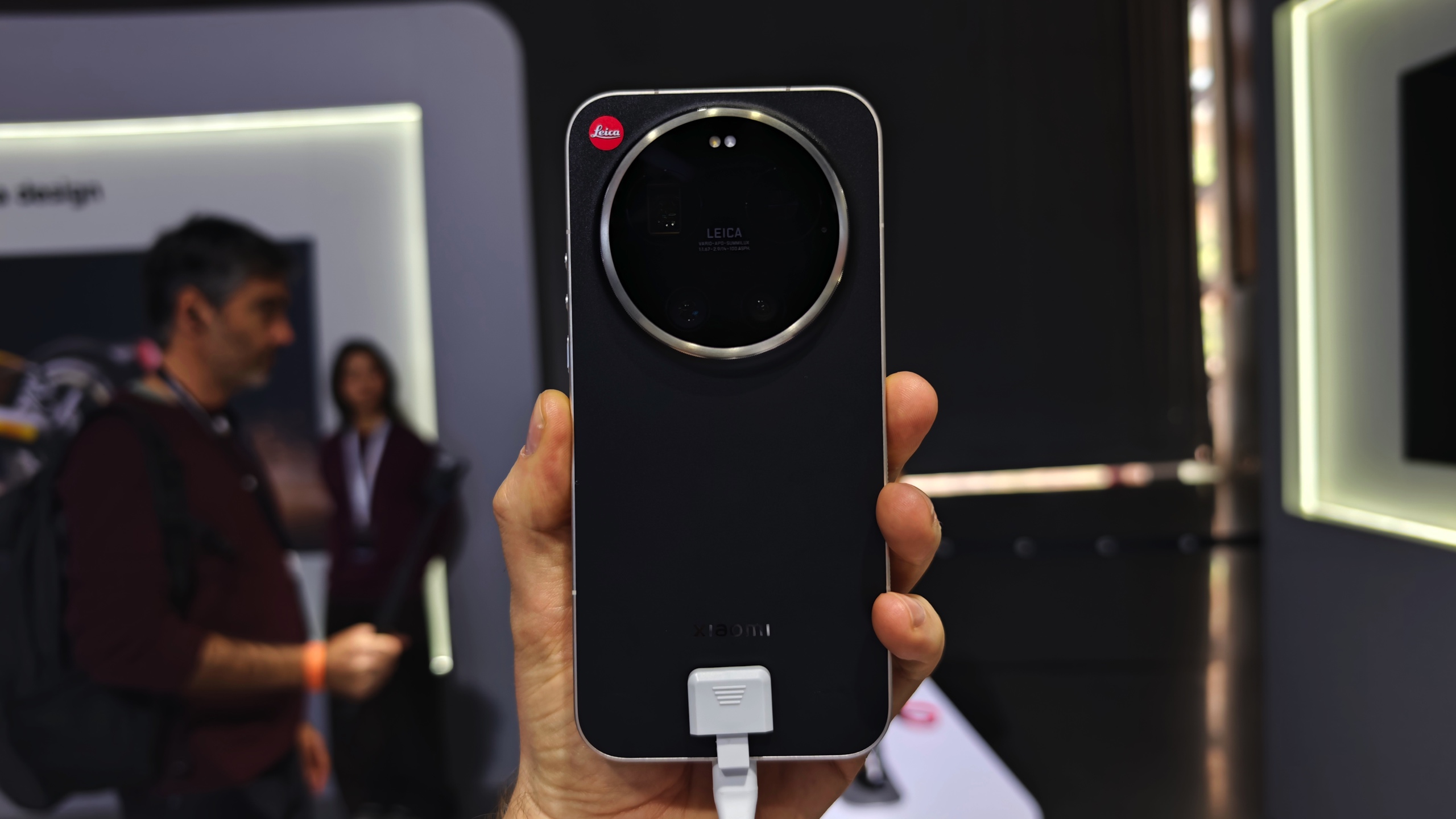
Like the 17 Ultra, Leica's Leitzphone by Xiaomi has a 1-inch camera sensor and physical controls for zoom and other settings, using a mechanical ring around the camera unit. It features a Leica-designed intuitive camera interface with the option to show just the essentials when you're shooting, hiding all the modes and labels. There's a monochrome shooting mode and Leica filters.
The Leica branding is splashed all over it in design and wallpapers, but it's otherwise pretty similar to the 17 Ultra, with the same specs. Like the 17 Ultra, it has a Snapdragon 8 Elite Gen 5 chip and a 6.9-inch 120Hz display. This one's priced at €1,999 (roughly $2,362).
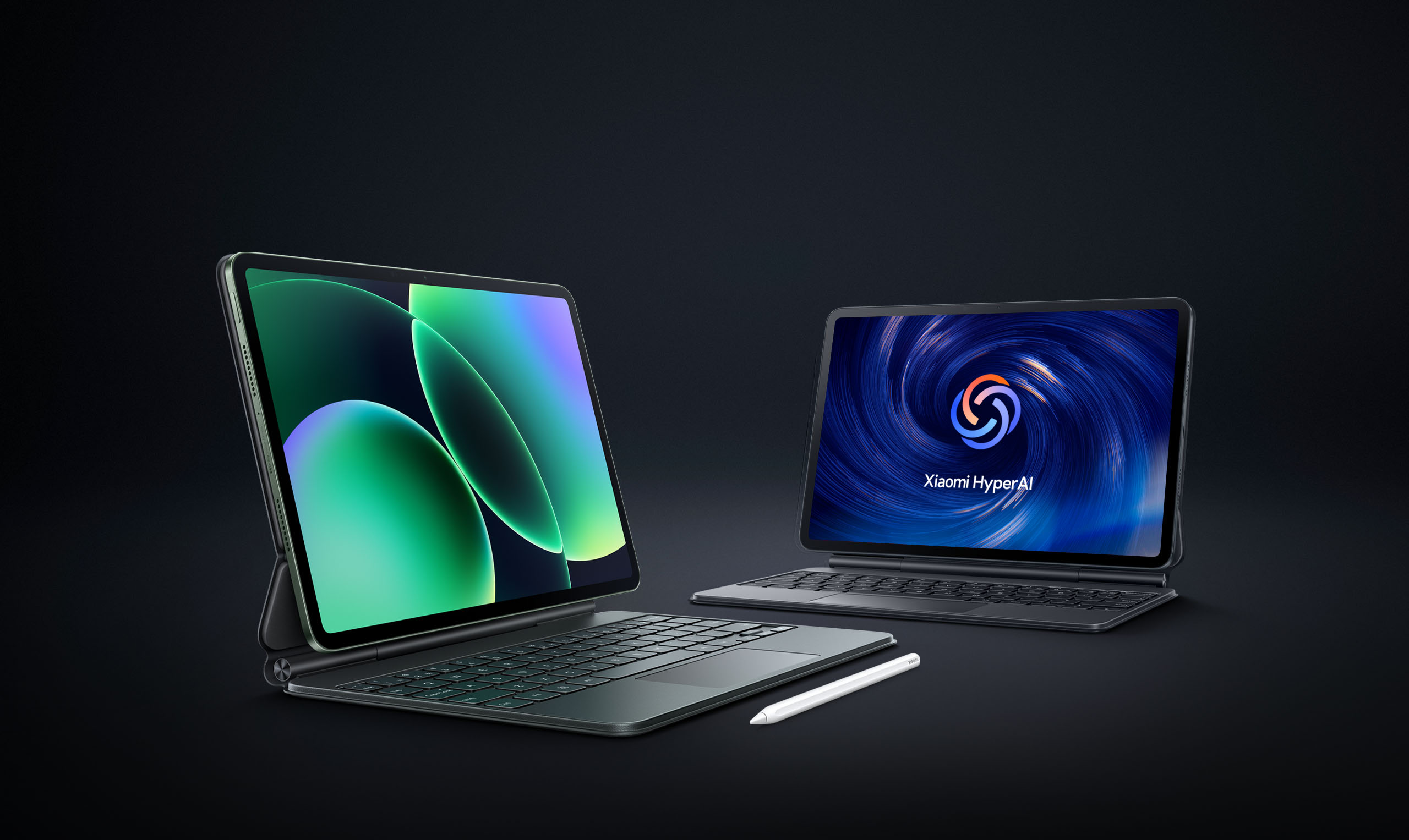
In addition to the 17 Ultra, Xiaomi announced two new tablets at MWC this year: the Xiaomi Pad 8 and Xiaomi Pad 8 Pro. There's nothing revolutionary here, but they're lightweight and thin, with both being 5.75mm thick and weighing 485g, and have a 9,200mAh battery. The Pro model is powered by a Snapdragon 8 Elite chip, while the regular Pad 8 uses the Snapdragon 8s Gen 4 chipset.
Xiaomi also unveiled a new 5,000mAh powerbank, the UltraThin Magnetic Power Bank 5000 15W. The 6mm thick power bank comes in three colors with an aluminum alloy shell: orange, silver and charcoal gray. Along with that, the company introduced the Xiaomi Tag, its own take on the Bluetooth item tracker. The Xiaomi Tag has a built-in hanging loop so it can be attached directly to a keyring, and the company says it will work with both Apple Find My and Google's Find Hub for Android.
Tecno
We can always expect to see some wild phone concepts at MWC, and this year we're starting with one from Tecno. The company unveiled a modular concept smartphone design that can be as thin as 4.9mm in its base configuration. There’d be 10 modules to choose from based on the announcement, including various camera lenses, a gaming attachment and a power bank, relying on magnets to keep it all together — or Modular Magnetic Interconnection Technology, as Tecno is calling it.
This article originally appeared on Engadget at https://www.engadget.com/mobile/everything-announced-at-mwc-2026-lenovos-wild-foldable-gaming-handheld-honors-robot-phone-and-more-172442814.html?src=rss
Motorola's Edge 70 Fusion phone has a huge curved 144Hz display
2 Mar 2026, 9:30 am by Steve Dent
Motorola has unveiled the Edge 70 Fusion, its latest mid-range model with an impressive display and OIS-enabled camera with a Sony sensor. Though other specs are modest, the cameras, display and Pantone-inspired, fabric-like colors make it a good choice for fashion-forward and budget conscious buyers in Europe and other (non-US) territories.
The Edge 70 Fusion is a more modestly specced version of last year's Edge 70 that's thicker at 7.2mm compared to 5.9mm but has a better screen. Motorola says it has the world's first "quad-curved" display that folds into the sides for smoother lines and a more elegant look. The AMOLED screen is also huge at 6.78 inches and has a 144Hz refresh rate with Pantone-validated color accuracy, while hitting a peak 5,200 nit brightness, easily enough for sunny outdoor use.
The 50MP main camera is also impressive, using Sony's Lytia 710 sensor with optical image stabilization and an f/1.8 aperture. That's accompanied by a 13MP ultra-wide macro camera and a 32MP from selfie camera with 4K recording.
The Edge 70 fusion is powered by Qualcomm's Snapdragon 7s Gen 3 with Cortex-A720 and A520 cores, along with an Adreno 810 GPU, promising about a 15 percent bump in performance over the last model. It supports 68W wired (no wireless) fast charging and carries a 5,200mAh battery. It will be relatively tough as well, with IP68 and IP69 dust and water resistance ratings and MIL-STD-810H durability.
It's a solid value with prices starting at $430 in Europe (about $503) when it goes on sale later this month in colors like Patone Orient Blue, Pantone Country Air and Pantone Sporting Green. There's no indication that it will be available in the US, though.
This article originally appeared on Engadget at https://www.engadget.com/mobile/smartphones/motorolas-edge-70-fusion-phone-has-a-huge-curved-144hz-display-093035809.html?src=rss
TCL is upgrading its easy-on-the-eyes glare-free NXTPAPER display tech with AMOLED
2 Mar 2026, 8:57 am by Mat Smith
TCL has been making smartphones and tablets at an impressive clip for years. While most companies have focused on foldable display tech — and TCL has dabbled — the focus has been on its NXTPAPER screens. Aimed at being friendlier on the eyes, and pitched as a device somewhere between e-ink slates and traditional tablets, NXTPAPER has gradually been upgraded and refined, reaching an apex at CES 2026 earlier this year with the Kindle Scribe-alike, the Note A1 NXTPAPER and its latest smartphone, the NXTPAPER 70 Pro.
At MWC, just a couple of months later, it's preparing for a major leap forward on future phones and tablets. It's been announced (and backed up with tech demos) that it's developing AMOLED NXTPAPER displays, aiming to combine the eye comfort benefits of TCL's current displays with flagship visual performance. This involved fundamentally redesigning and re-engineering the display architecture. Still, it should address the biggest problems with current LCD-based NXTPAPER, such as mediocre brightness, poor outdoor performance, and dull colors.
This NXTPAPER AMOLED screen, well, it looks like AMOLED:
On the showfloor at CES, the company had several demo devices showcasing the new screen technology's brightness. While still photos don't really do it justice, it's impressive, and the anti-glare effect seems premium compared to third-party anti-glare protective films.
TCL says its incoming AMOLED display — it hasn't announced a device yet — will reach 3,200 nits of brightness. For reference, TCL's 70 Pro topped out at a mere 900 nits. TCL says it will also feature 120Hz refresh rates, 100 percent color gamut coverage, and blue light reduction that can go as low as 2.9 percent, which is 15 percent less than existing NXTPAPER displays.
The company plans to launch an AMOLED NXTPAPER smartphone before the end of the year.
This article originally appeared on Engadget at https://www.engadget.com/mobile/smartphones/tcl-is-upgrading-its-easy-on-the-eyes-glare-free-nxtpaper-display-tech-with-amoled-085736065.html?src=rss
Qualcomm's Snapdragon Wear Elite chip is made for smartwatches and AI devices
2 Mar 2026, 8:07 am by Steve Dent
Qualcomm's Snapdragon Elite chips are reserved for the best Android phones and laptops, and now the company has introduced the first in the Elite series for wearables. The Snapdragon Wear Elite processor is designed for smartwatches and AI devices like pendants and promises up to a fivefold increase in single-thread CPU performance, Qualcomm announced.
The new processor is built on a 3nm process to improve speed and efficiency over previous models, while boosting the number of cores to five (one big core at 2.1GHz and 4 little cores at 1.9GHz). With those changes, the company is promising up to five times faster single-threaded performance, with GPU speeds boosted up to seven times.
The Snapdragon Wear Elite is also equipped with a new NPU that allows low-power AI use cases like keyword recognition along with noise cancellation. It's also the first Snapdragon wearable processor with a dedicated Hexagon NPU supporting AI models with two billion parameters. That will allow new "personal AI experiences," the company said, like context-aware recommendations, natural voice interactions, life logging and AI agents that can orchestrate tasks on your behalf.
Wear OS devices with the chip should see up to 30 percent improved battery life and charging speeds of up to 50 percent in ten minutes. It also allows for more types of connectivity, including 5G reduced capability, micro-power Wi-Fi, NB-NTN for satellites, Bluetooth 6.0, GNSS and UWB. However, manufacturers will be able to source versions of the chip without some of those wireless features.
Whether the Snapdragon Wear Elite will give Wear OS watch manufacturers a better chance to chip into the 50-plus percent market share of Apple's Watch remains to be seen. The first devices using the chip will start to ship in the "next few months," Qualcomm said. "Leading global partners are supporting the platform including Google, Motorola and Samsung."
This article originally appeared on Engadget at https://www.engadget.com/wearables/qualcomms-snapdragon-wear-elite-chip-is-made-for-smartwatches-and-ai-devices-080744412.html?src=rss
Motorola Razr Fold hands-on at MWC 2026: Bright screens, inside and out
2 Mar 2026, 5:00 am by Mat Smith
After briefly announcing its new foldable at CES, Motorola is now ready to debut its first book-style foldable in full at MWC 2026. There are several features we already knew, including support for Motorola’s new Pen Ultra stylus and no fewer than five cameras. However, many specs were still unknown. There are some pleasant surprises.
Motorola decided to make both screens brighter than any of its rivals by quite a margin. The main 8.1-inch foldable display of the Razr Fold has a peak brightness of 6200 nits, while the external screen almost matches it with 6000 nits. For comparison, both screens on the Pixel 10 Fold Pro have a peak brightness of 3000 nits and other foldables’ internal screens typically have substantially lower brightness levels. Inside Motorola's demo room, filled with windows and Barcelona sun, I had no trouble reading either screen.
The main display is a 2K (2,484 x 2,232) LTPO display that can reach a peak refresh rate of 120Hz, while the external display has a 2,520 x 1,080 resolution and peaks at 165Hz. Both screens also support Dolby Vision.
With those high-brightness levels, Motorola has opted for a silicon-carbon 6,000mAh battery, another leading specification among foldables at the time of writing. It’ll be interesting to see how battery life fares, powering those big, bright screens. The Razr Fold also supports fast charging at up to 80W with the company’s own (sold separately) TurboPower charger and up to 50W wireless charging.
With a silicon-carbon battery that offers higher energy density, Motorola’s biggest foldable yet remains surprisingly svelte, despite its huge battery. The Razr Fold is 4.6mm (0.181 inches) thin when open and 9.9mm (0.39 inches) when closed. Yes, Samsung’s latest Z Fold is thinner (4.2 mm; 8.9 mm), but it has a substantially smaller 4,400mAh battery.
The Razr Fold’s hardware continues with many of the design touches found on recent Razr phones. I spent most of my time with the Blackened Blue iteration of the Razr Fold, with a woven piqué design that felt both easy to hold and didn’t seem to hold onto fingerprints. There will also be a Lily White color that doesn’t have the piqué design, but a more satin finish.
The Razr Fold has a Snapdragon 8 Gen 5 processor, the de facto flagship Android processor at this point. The foldable also has its own liquid-cooling system to maintain consistent performance during tougher tasks and gaming sessions.
The Razr Fold’s cameras will have to do more than what we’re used to seeing on the flip-style Razr smartphones, which have underwhelmed in the past. Fortunately, it looks like it could be a very capable smartphone camera. The main 50-megapixel sensor has a f/1.6 lens and 3.5 degrees of optical image stabilization. It’ll also work alongside a multi-spectral 3-in-1 light sensor to improve color accuracy. The Razr Fold’s ultrawide camera has a 50MP sensor, a 122-degree field of view, and support for macro photography. The 50MP periscope telephoto camera can reach up to 3x optical zoom and 100x SuperZoom, through image cropping and AI-boosted image processing. And finally, there are two selfie cameras: a 32MP internal camera that can record up to 4K video and a 20MP external selfie cam, both with a f/2.4 lens.
Motorola is already claiming this is the best camera on a foldable smartphone, with the highest DXOMARK score among foldables. If you haven’t heard of DXOMARK before, it’s a benchmarking website and lab in France that offers professional image quality testing for smartphones, camera lenses and cameras. It also offers a consultancy service to help manufacturers improve their devices’ camera performance.
It’s too early to tell whether this is objectively a better cameraphone than Samsung’s Z Fold 7, but I was particularly impressed by the Razr Fold’s telephoto camera results. Similarly, I’m intrigued by Motorola’s decision to support its newest stylus, the Moto Pen Ultra. It warrants further testing when the foldable lands for review.
Motorola hasn’t announced pricing and availability for the Razr Fold. It’ll be coming to North America “in the coming months.”
This article originally appeared on Engadget at https://www.engadget.com/mobile/smartphones/motorola-razr-fold-hands-on-mwc-2026-050027092.html?src=rss
End of today’s Engadget roundup.